What To Do After Visiting Osaka Castle?
The exit you leave Osaka Castle by should decide your afternoon: Otemon toward the history museum, the piers toward the river boats, or staying in the park for the road train and Nishinomaru Garden.
What To Do After Visiting Osaka Castle?
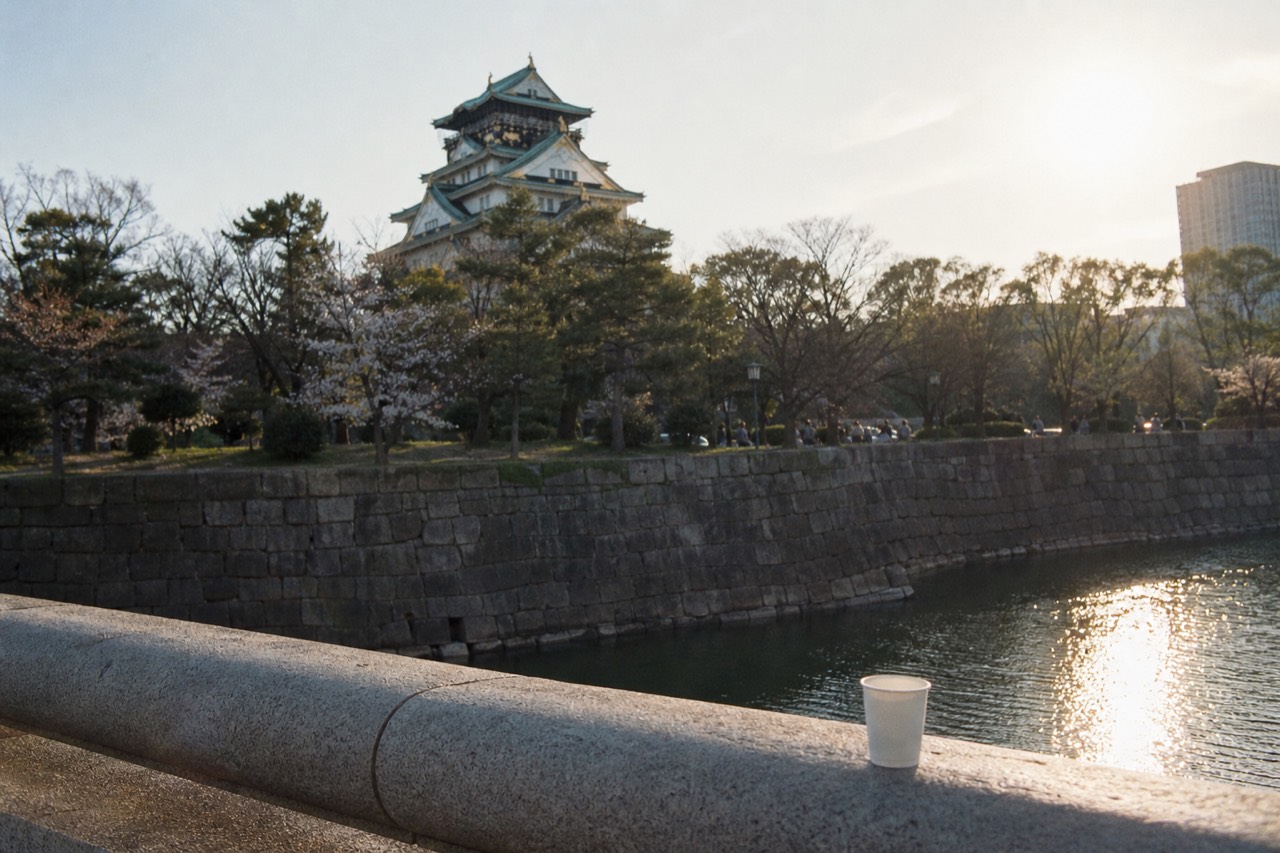
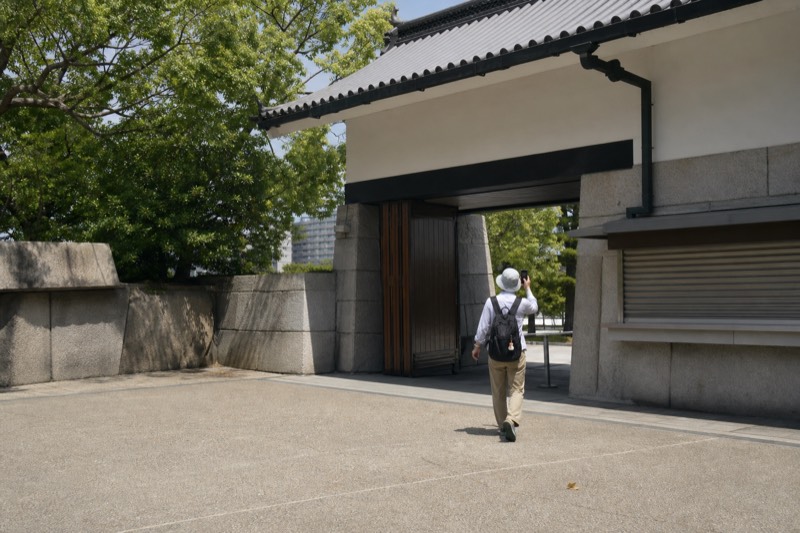
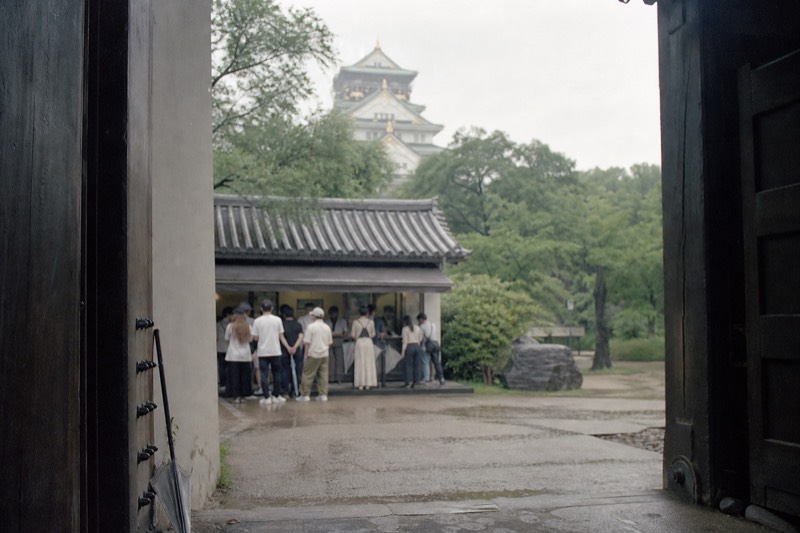
After visiting Osaka Castle, the best move is to walk to nearby Osaka Museum of History, relax in Nishinomaru Garden, or explore Osaka Castle Park itself. Your route depends on which exit you use, so decide before you enter the tower rather than after you leave it. The castle sits inside a 105.6-hectare park with gates on different sides, each pointing at a different part of the city, and the difference between them is not cosmetic. Leave through Otemon and the Osaka Museum of History is the natural next stop, directly across the road. Leave toward the piers and the Okawa river is right there. Stay inside the park and you have barely started, because the grounds themselves hold a garden, seasonal turret openings and a shuttle circuit that most visitors never touch.
The tower itself closes at 18:00 with last admission at 17:30, and the castle's own guide page warns that the ticket-purchase queue can be capped before 17:30 when conditions demand it. So the shape of the afternoon matters. You want the castle behind you by early afternoon at the latest, with two or three clear hours left for whatever comes next.
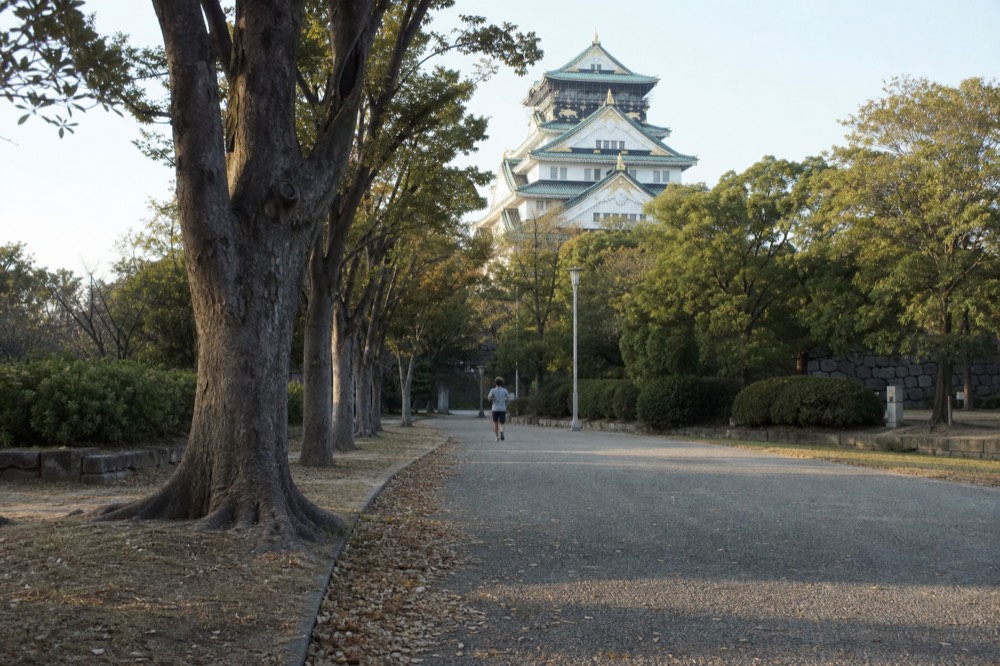
Start the day with admission settled. The e-ticket for the tower and the Toyotomi Stone Wall Museum is the same ¥1,200 the gate charges an adult, from $7.69, and what it buys is a skipped ticket-purchase line rather than a discount. The voucher is valid 30 days with no fixed time slot, and there is no set viewing time limit once you are inside. Readers planning a fuller Osaka day may also want to look at what to do in Osaka for a day, which builds the castle into a wider route.
Which Exit Should You Leave By?
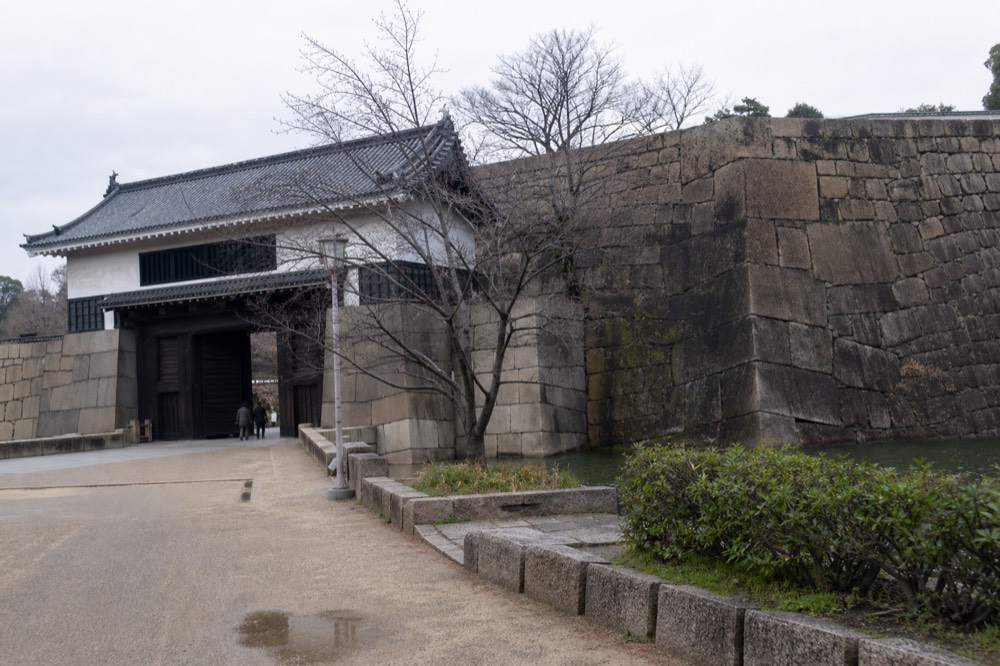
Leave by Otemon if museums are next, by the pier side if the river is next, and by the north gates if you want food and a rest, because each gate points at a genuinely different afternoon rather than a marginally faster one. The castle's own access guidance singles out one route: the path from Tanimachi 4-chome through Otemon is comparatively flat and passable by wheelchair, which makes it the endorsed approach for anyone with mobility in mind. Everything else is geography. The official park map puts every rail station at roughly 18 to 21 minutes on foot from the Main Tower, so no exit is dramatically faster, only differently aimed, and the choice is about what you want to be standing beside at 15:00, not about minutes saved.
| Exit direction | Where it points you | Best when |
|---|---|---|
| Otemon, west side | Osaka Museum of History, then Nakanoshima or Yodoyabashi | You want museums and a calmer walk |
| Temmabashi / pier side | Aqua-Liner river boats, Kitahama and Nakanoshima | You want to sit down and see the city from the water |
| Kyobashi-guchi, north | MIRAIZA OSAKA-JO, JO-TERRACE, Kyobashi station area | You want food and a rest before deciding anything |
| Morinomiya / Tamatsukuri, southeast | Road Train, Osaka-jo Hall area, back into the park | You still have park plans, like Nishinomaru Garden |
One thing worth knowing whichever way you leave: the two combined tickets that used to bind the castle to its neighbours are gone. Sales of the Osaka Museum of History plus tower set ticket ended 27 December 2024, and the Aqua-bus plus tower combo ended 24 March 2025. The museum and the boats are both very much alive, but each is now paid for on its own terms, so the pairing is a plan, not a product.
If you are still deciding whether the tower belongs on the day at all, the entry e-ticket discussion on Osaka Castle Tickets goes through what the ¥1,200 actually covers, including the Stone Wall Museum that opened 1 April 2025 with no separate admission.
What If You Exit At Otemon Toward The Osaka Museum Of History?
The Osaka Museum of History is the strongest single follow-up to the castle, and its own site lists 600 JPY adult admission, 9:30 to 17:00 opening with entry by 16:30, and a Tuesday closure, with high school and university students at 400 JPY and elementary and junior-high ages free. It sits directly across the road from the Otemon side of the park, so the walk between the two is the shortest castle-to-anything pairing available. The dates, hours and prices here are the museum's own published figures, not estimates.
The pairing works because the two institutions tell different halves of the same story. The tower's exhibits lean hard into Hideyoshi, the Toyotomi and the Sengoku period, with the 8F observation deck at about 50 m above ground as the payoff. The Osaka Museum of History picks up the city's story after the castle's era, floor by floor, from Naniwa palace periods through to modern Osaka. A guest review on the live listing for the castle ticket makes the same point from the other direction, contrasting the tower's Toyotomi focus with the history museum's later periods. Doing both gives you the whole arc.
Plan the order around the closure day. The tower is closed 28 December to 1 January and otherwise open daily, while the history museum is closed Tuesdays, or Wednesday when a holiday falls on the Tuesday. If your Osaka day is a Tuesday, do the museum first or skip it, and route yourself elsewhere after the castle. The museum's official English site carries the current details, and it is the right page to check before you go: Osaka Museum of History visitor information.
What About The Boats And The River Toward Temmabashi?
The Aqua-Liner water buses still run, per the operator's own site, even though the boat-plus-castle combined ticket ended 24 March 2025, and both halves of that sentence matter together. The combo is dead, so you cannot buy the castle and the cruise as one thing. But the boats themselves are a going concern, departing from the Hachikenyahama pier on the Okawa river, which the castle's own access page lists as one of its water-bus access points. The operator also lists a 1,200 JPY fare for the Osaka Castle to Yodoyabashi section, useful if you want a one-way ride into the financial district rather than a loop.
The Gozabune, the golden replica war boat on the castle's own inner moat, runs a short moat circuit with departures through the afternoon, per the operator's listing. It is less transport than entertainment: you circle the moat under the walls with the tower above you. For sequencing purposes it belongs before the exit, not after, since it departs from inside the park's moat edge.
The river route suits a particular kind of afternoon. You have walked the park, climbed the tower, and your legs want a seat. The boat takes you down the Okawa past Nakanoshima, and drops you either back at the pier or further toward the city centre. From Temmabashi you are also on the Keihan line, which carries you north toward Kyoto or south into Kitahama and the Nakanoshima museums and libraries if the day is still young. The fare and schedule details above come from the operator's own cruise page, Aqua-Liner cruise listings, which is the page to check for timetables on the day.
Should You Stay In The Park Instead?
Yes, if your exit was always going to be slow: the park holds the Road Train shuttle, Nishinomaru Garden, the seasonal turret openings and the free evening illumination, several of which are half-done by the time most visitors leave through the gates. The Road Train and Electric Car circuits, run by the park's operator, are listed on the operator's own page: the Road Train charges 400 JPY one way for ages 13 to 64 and the Electric Car 300 JPY, with children aged 4 to 12 and seniors 65 and over paying 200 JPY on either, disabled visitors free, and a 1,000 JPY all-day pass. The circuit connects Morinomiya, the JO-TERRACE information point, Gokurakubashi and Hokoku Shrine, running 9:30 to 17:30, closed the first Thursday of each month.
from $7.69 The from-price you see online and the price at the castle window are the same adult admission, so booking ahead costs nothing extra.
Your ticket into the tower
Official E-Ticket
- Osaka Castle Main Tower entry
- Osaka Castle Toyotomi Stone Wall Museum
- QR code entry
- Valid 30 days
- No fixed time slot
- No viewing time limit
Buying the official e-ticket ahead saves you the ticket-purchase line, not money, since the online price matches the window. You exchange nothing at the gate, you simply show the voucher and go in.
The real flexibility here is the voucher's 30-day validity, with no fixed time slot and no set viewing time limit.
At The Gate
Adult, per person Group rate from 15 paying visitors Free categories at the window
¥1,200
The window price is identical to the online price, so nothing is lost by paying in person. Students and under-15s should buy here, because proof-of-age discounts are handled face to face and not through an e-ticket.
Students with ID and visitors aged under 15, since discounted and free rates are only applied at the window.
See what it covers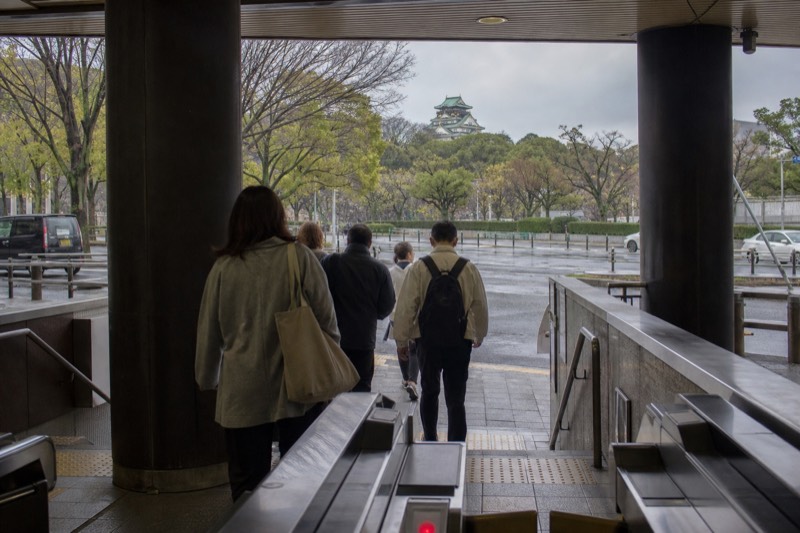
Osaka Amazing Pass
One-day pass On sale 25 March 2026 to 31 March 2027
¥3,500
The one-day pass costs 3,500 yen against the 1,200 yen castle ticket on its own, so it only pays off with two or more other paid sights. Add transport and the maths tips further in its favor.
Visitors packing several paid sights plus metro and bus rides into one day, who will clear the pass price easily.
See what it covers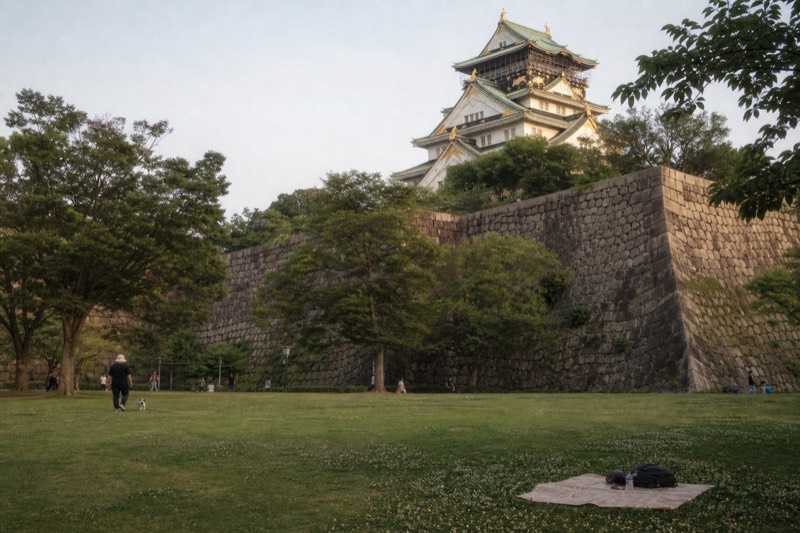
Free Park Areas
No admission charge
Free
The park grounds, moats, stone ramparts and exterior views of the tower cost nothing at all, and they fill a half day on their own. The paid line falls only at the Main Tower entrance and the Toyotomi Stone Wall Museum.
Anyone who wants the castle views, moats and grounds without paying to go inside the buildings.
See what it coversNishinomaru Garden is the other in-park follow-up, and it is the one with a payoff in every season. Adult admission is 300 JPY, a price that changed 1 April 2026, and inside it stand Sengan-yagura and Inui-yagura, the oldest surviving buildings at the castle, both built under Kobori Enshu in 1620. About 300 of the park's roughly 3,000 cherry trees grow inside the garden, and the Somei-Yoshino specimen tree that the Japan Meteorological Agency uses to declare Osaka's cherry-blossom opening stands there too. The full seasonal picture, including the Kan'o Nighter evening opening, is covered in the Osaka Castle Park guide and the Nishinomaru Garden page.
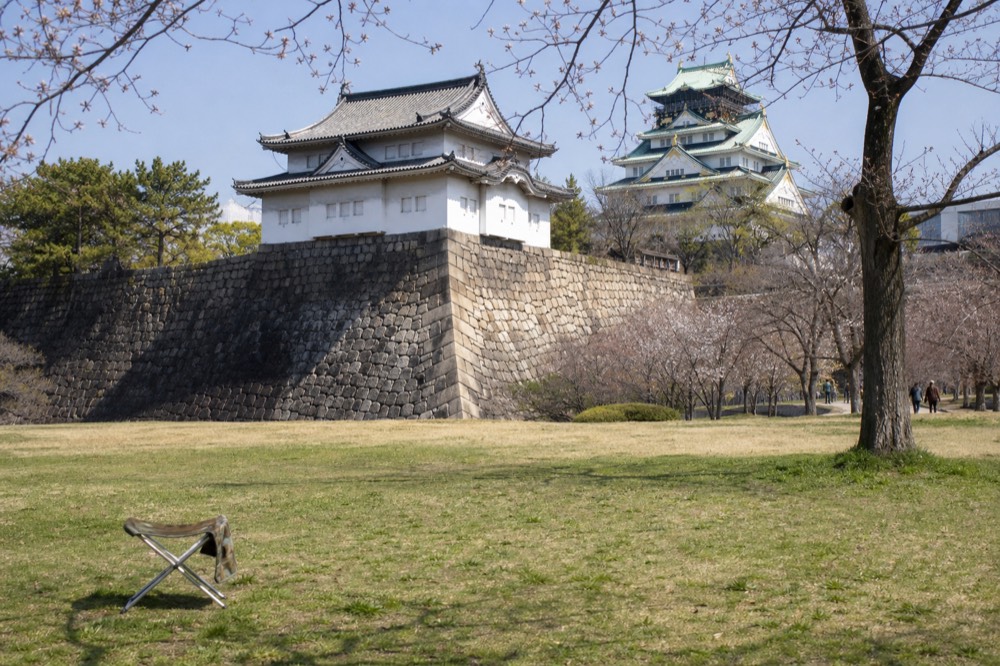
One genuinely fresh reason to stay: the turrets open seasonally, and they have their own ticket. The 2026 Important Cultural Property Yagura special opening, announced by Osaka City, runs in three legs: spring 14 March to 24 May, summer 18 July to 16 August at Inui Yagura, and autumn 5 September to 29 November at Tamon and Sengan Yagura, on weekends and holidays, 10:00 to 16:30. The Yagura common ticket is 900 JPY adult, 300 JPY child, and includes Nishinomaru Garden. That is a different product from the tower admission this site covers, priced on its own terms, and it fills a late afternoon in the park neatly.
If the grounds themselves are what drew you, a live guide changes the shape of the day. The Osaka Castle walking guided tour is a 1.5 to 3 hour English-language walk of the castle grounds, private or small group, and its base price does not include tower admission: the listing's own excludes line says so, so the walk and the ticket stack rather than substitute. A guest review on the live listing calls the guide's storytelling the reason the walls stopped being scenery.
When Should You Plan The Rest Of Your Afternoon?
Work backwards from 17:30, the tower's last admission, and ideally be out of the castle by 14:00 if the afternoon has a second act, because the castle's own guidance says most visitors spend 50 to 60 minutes inside, or about 1.5 hours if you look properly. Add the official 18 to 21 minute walk from any of the surrounding stations, the walk back out to your exit, and lunch, and a morning castle visit comfortably delivers a free afternoon. The exit you chose in the morning is now doing the work: museum, boat or park, each one is a two-to-three-hour block, and each one rewards arriving before the crowds thicken rather than after.
Late starters have a different, equally good option. The exterior floodlighting is free, runs from sunset until 00:30, and is switched off only one inspection day a year, so the castle after dark costs nothing and pairs naturally with dinner in Kyobashi or back in central Osaka. The Osaka Castle at night guide covers what stays open and what closes.
A Tokyo-bound reader or a family sizing the whole trip can carry the same logic further out: the castle is one block of the day, the exit picks the next one, and the evening picks itself. The mistake is not leaving the castle, it is leaving without having decided where to. If the whole afternoon is still open, both of this site's products fit the plan: the entry e-ticket that skips the ticket-purchase line at the tower, and the guided walk of the grounds for the story behind the stones.
Let the exit decide the afternoon: Otemon points at the Osaka Museum of History, the pier side at the Aqua-Liner river boats, and staying in the park gives you the Road Train, Nishinomaru Garden and the seasonal turret openings, with the free exterior illumination after sunset closing the day. The questions below cover the pairing that no longer exists, the realistic time budget, and what is still running on the water, all answered from the official figures this site has verified.
Common Questions About What To Do After Osaka Castle
What To Do After Visiting Osaka Castle?
Let your exit decide. Otemon points at the Osaka Museum of History, the pier side at the Aqua-Liner river boats, and staying in the park gives you the Road Train, Nishinomaru Garden and the seasonal turret openings. Leave by early afternoon and any of these fits before dinner.
Is The Osaka Museum Of History Combined Ticket Still Available?
No. Sales of the Osaka Museum of History plus Main Tower set ticket ended 27 December 2024, and the Aqua-bus combo ended 24 March 2025. The museum and the boats both operate as separate, full-price attractions, so plan the pairing yourself rather than looking for one ticket.
How Long Does Most People's Castle Visit Take?
The museum itself says most visitors spend 50 to 60 minutes inside the tower, and about 1.5 hours if you look properly. Add the 18 to 21 minute walk from any surrounding station each way, so a realistic castle block is two to three hours including getting there.
Can You Ride A Boat From Osaka Castle?
Yes. The Aqua-Liner water buses run from the Hachikenyahama pier on the Okawa river, with a loop course and a shorter Osaka Castle to Yodoyabashi section. The Gozabune on the castle's own moat runs a short ride around the water, and the operator's site lists current fares and times.
What Stays Open In The Park After The Tower Closes?
The park grounds stay walkable, and the free exterior floodlighting runs from sunset until 00:30, off one inspection day a year. The tower itself closes at 18:00 with last admission at 17:30, so plan dinner in Kyobashi or central Osaka and come back for the lit exterior.