How Long To Spend At Osaka Castle: 45 Minutes, 90 Minutes, Or Half A Day
The time you spend at Osaka Castle depends entirely on whether you go inside. The tower is a museum, the grounds are free, and the garden is a separate ticket, so your visit can be a quick photo stop or a morning-long exploration.
Short answer
Most visitors spend 90 minutes to two hours if they go inside the Main Tower and the included Toyotomi Stone Wall Museum. A quick walk around the park and moats takes about 45 minutes, while adding Nishinomaru Garden and a relaxed pace stretches the visit to half a day. The tower itself is a museum; the 8F observation deck is the highlight.
The Main Tower of Osaka Castle drew a provisional 2,813,851 admissions in FY2025, an all-time record. The queue for a ticket can be capped before 17:30, and the museum inside is spread across eight floors. Yet the park around it is free and open, and the exterior is what most people photograph. The visit you plan depends on what you want from it, whether that is a quick walk past the moat, a full climb to the observation deck, or a half-day that adds the garden and the newly opened Stone Wall Museum. Osaka Castle Tickets covers the admission route that skips the ticket-purchase line, but the time you spend inside is yours alone.
How Long Does It Take To Visit Osaka Castle?
Most visitors spend 90 minutes to two hours if they go inside the Main Tower and the included Toyotomi Stone Wall Museum. A quick walk around the park and moats takes about 45 minutes, while adding Nishinomaru Garden and a relaxed pace stretches the visit to half a day. The tower itself is a museum; the 8F observation deck is the highlight.
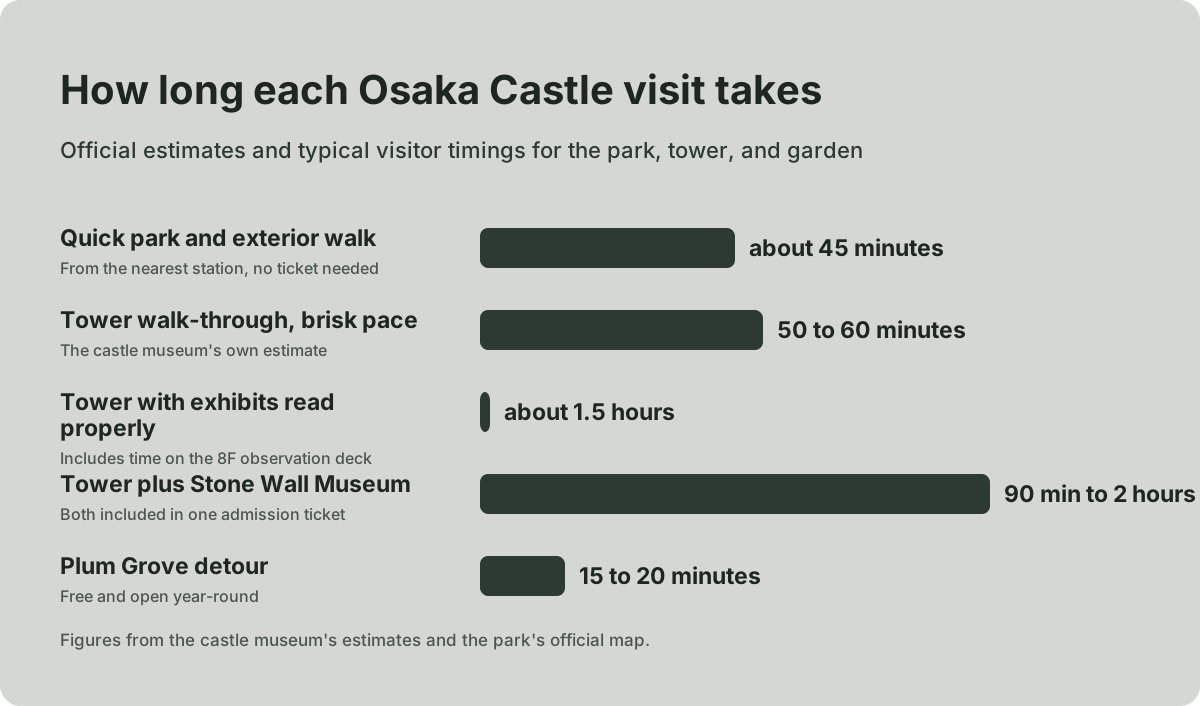
The castle museum's own estimate is that the typical visitor needs 50 to 60 minutes just to walk through the tower, and about 1.5 hours if you read the exhibits properly. That figure does not include the separately ticketed Nishinomaru Garden, the free Plum Grove, or the time it takes to walk from the station. So the honest answer is a range: you can see the castle in under an hour if you stay outside, but you need at least two hours if you want to go inside and not feel rushed.
The three budgets below are built from the castle's official layout, the real walking distances from the nearest stations, and the experience of recent visitors who have posted their timings. None of them are promises: the queue for the ticket counter is the biggest single variable. The tower is open from 9:00 to 18:00, with last admission at 17:30, and it closes from 28 December to 1 January. The hours changed on 1 April 2025, and the museum warns that the ticket queue may be capped before 17:30 depending on conditions.
Quick Visit: 45 Minutes For The Park And The Exterior
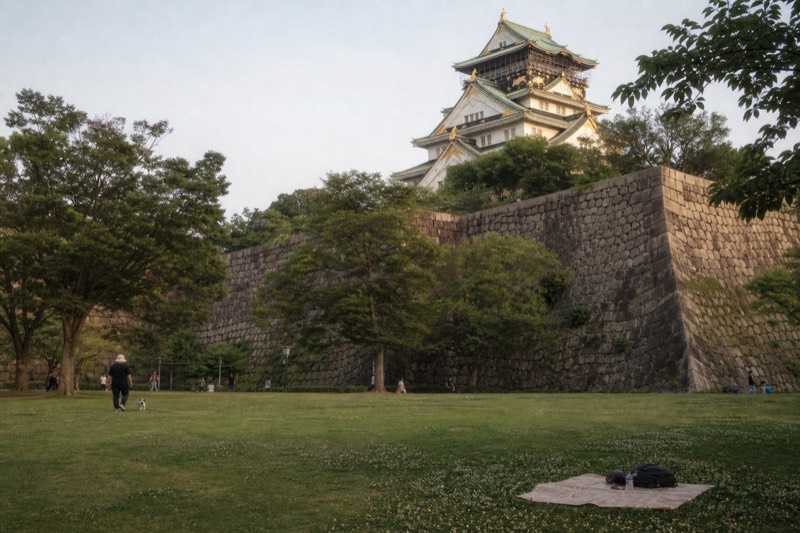
The free park, the moats, the stone walls and the Main Tower exterior can be walked in about 45 minutes from the nearest station. You do not buy a ticket, you do not enter any building, and you still get the photograph that most people post.
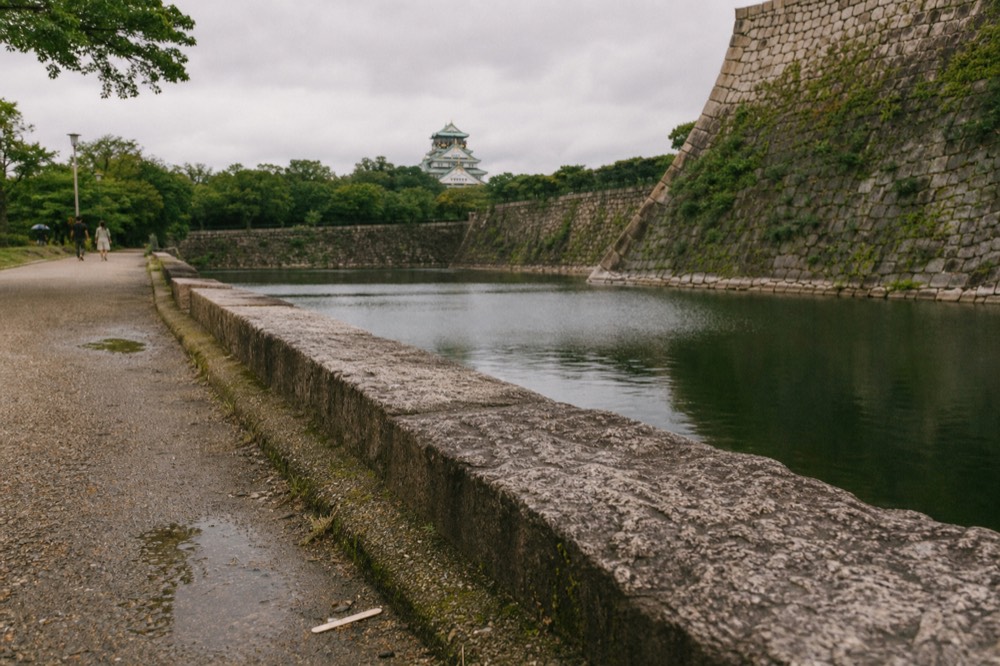
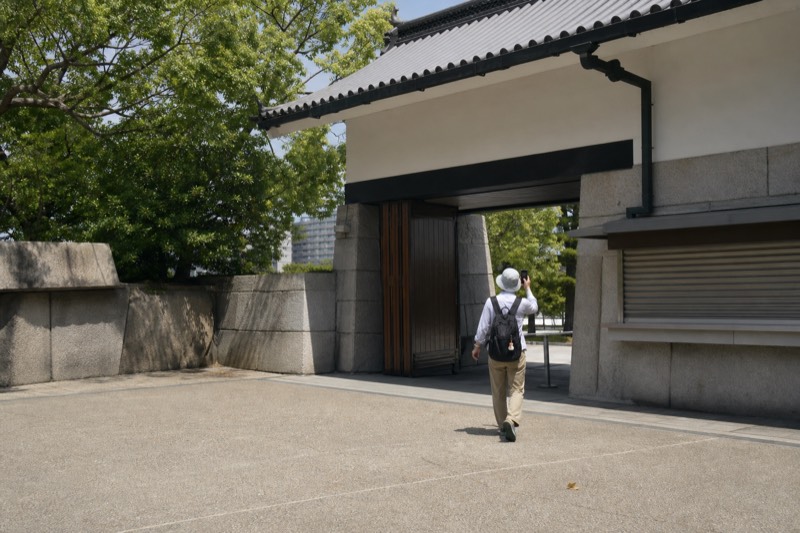
The park is 105.6 hectares, but the route that matters for a quick visit is the walk from the Otemon gate, across the inner moat via the Gokurakubashi bridge, and up to the honmaru plaza in front of the tower. The castle's own map says the walk from Tanimachi 4-chome station via the Otemon is about 18 minutes, and the route is comparatively flat and wheelchair-accessible. From the plaza you can see the tower, the stone walls, the restored turrets, and the gold shachihoko on the roof, all without buying a ticket. The Otemon itself is a National Important Cultural Property, and the masugata stone walls beside it form part of the site's National Special Historic Site designation.
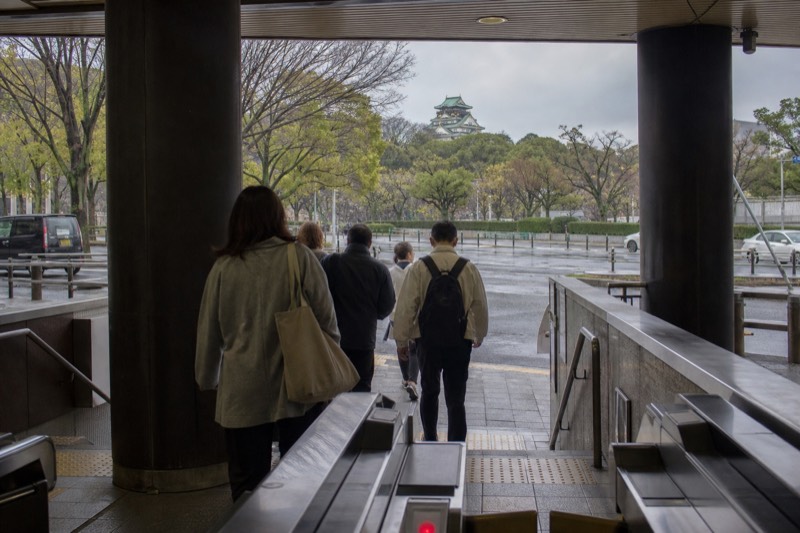
This budget works for travellers who are on a tight schedule, or who have heard that the interior is a modern museum and who prefer to spend their time on the original stone walls and the park. The exterior floodlighting, which runs from sunset to 00:30, is also free and visible from the same plaza. You can do this visit in the evening, after the tower has closed, and still get a striking view. The walk from Osakajokoen station on the JR Loop Line is about 18 minutes by the castle's own estimate, and Morinomiya station is about the same distance from the southeast.
The only thing you miss is the observation deck and the museum exhibits. The tower is a 1931 ferro-concrete reconstruction, and the floors inside display rotating historical collections, not a preserved castle interior. A quick visit is honest about what you are skipping.
The Standard Visit: 90 Minutes With The Main Tower And Museum
The tower and the Toyotomi Stone Wall Museum, both included in one admission ticket, take most visitors 90 minutes to two hours. You climb to the 8F observation deck, walk through the floor-by-floor exhibits, and descend underground to see the buried Toyotomi-era stone wall.
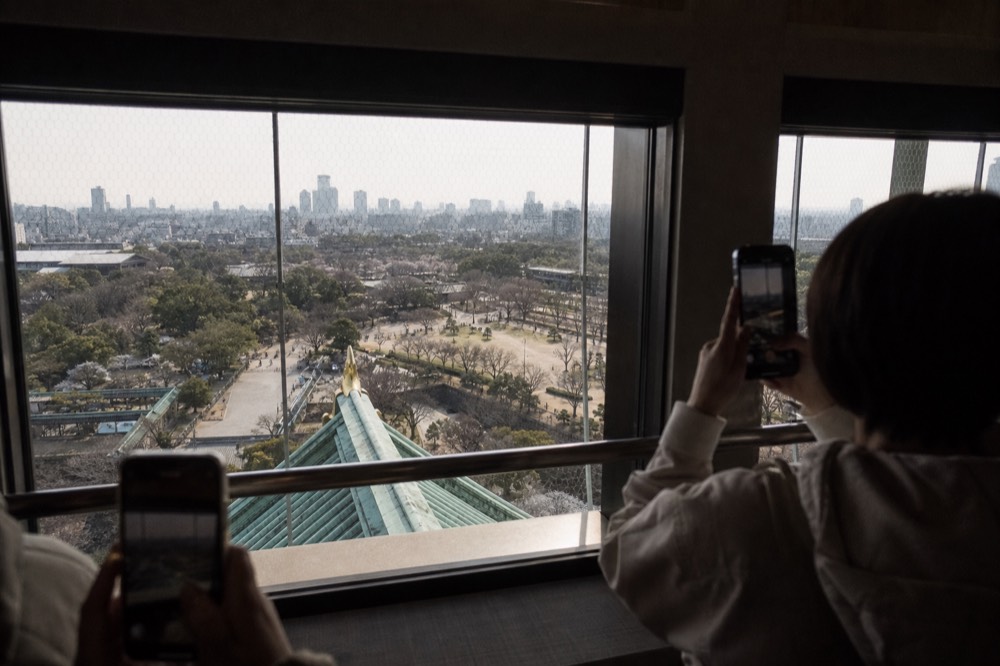
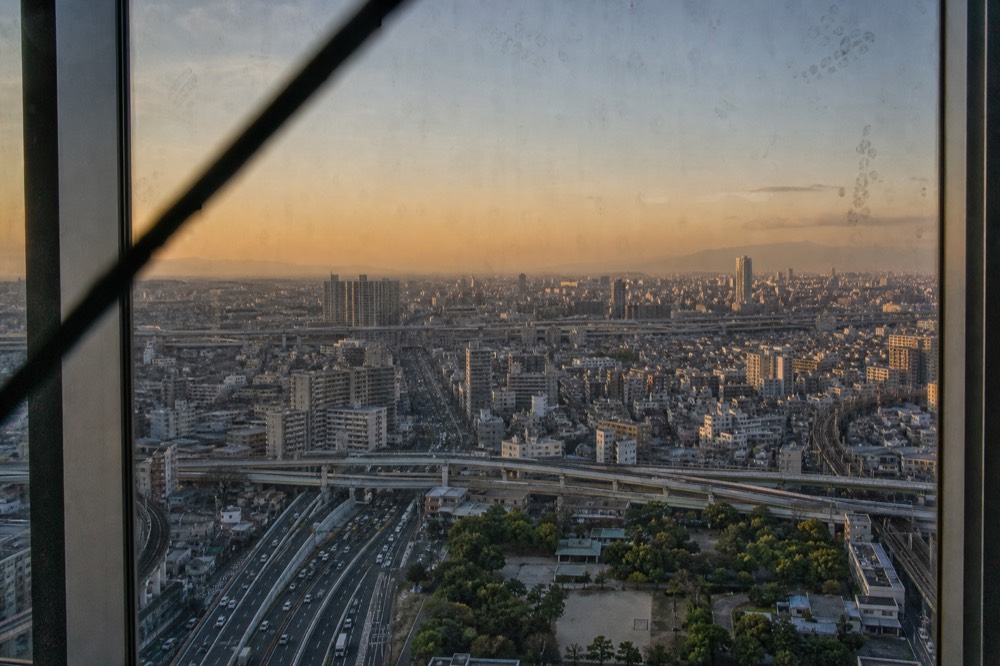
The museum's own estimate of 50 to 60 minutes is for a reasonably brisk walk; 1.5 hours is closer to the truth if you stop to read the English captions and spend a few minutes on the observation deck. The tower has eight interior floors, but the lift only goes up to 5F, so you climb stairs from 5F to 8F. The 8F deck is about 50 metres above ground and offers a clear view across the park and the city. On a busy day the upper floors are crowded, and the museum itself warns that viewing space narrows the higher you go.
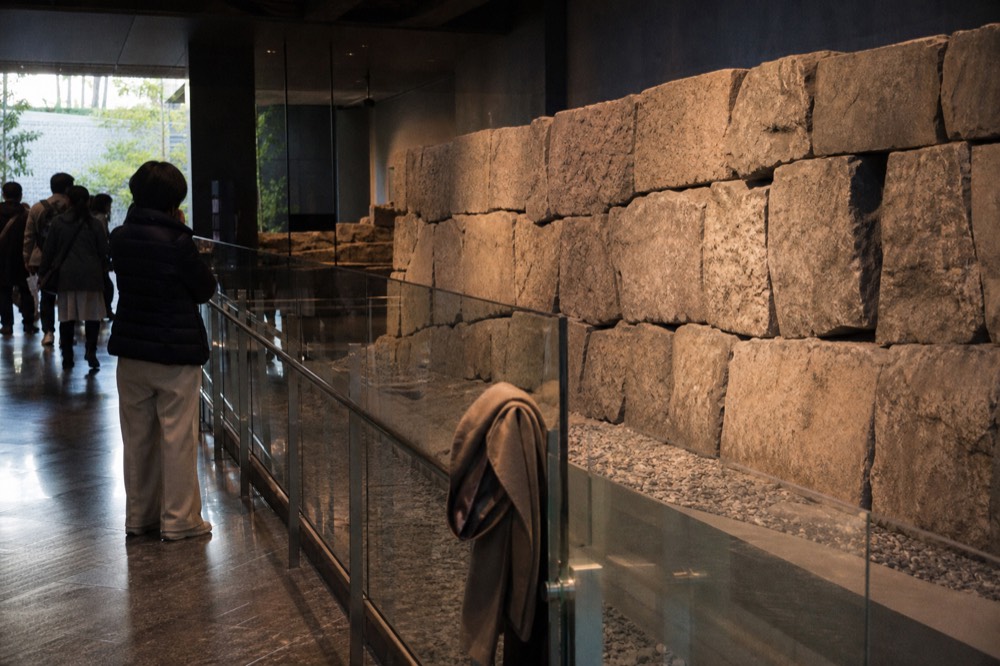
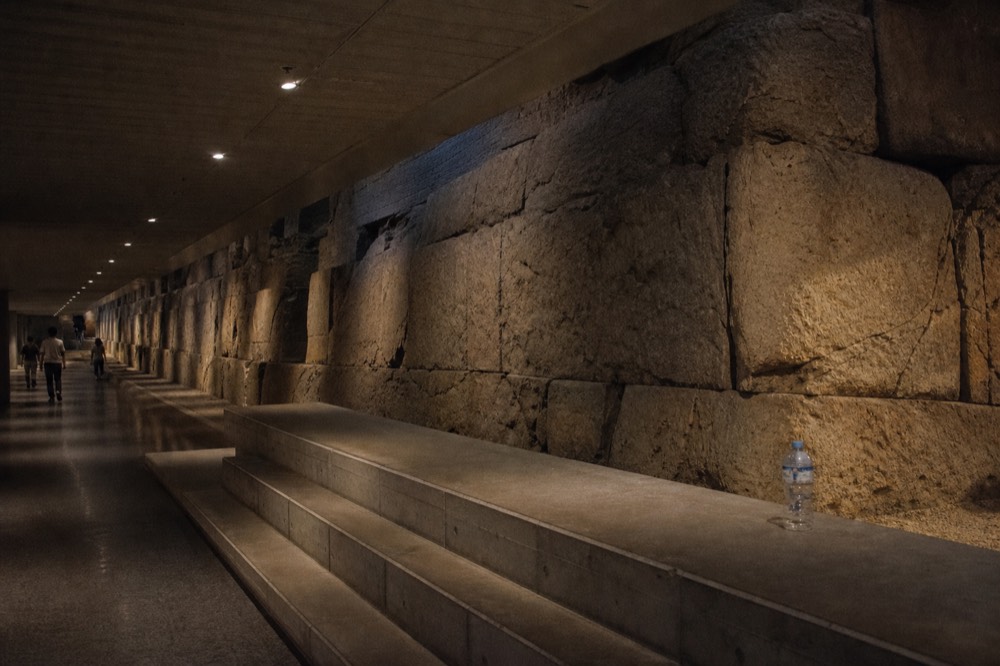
The included Toyotomi Stone Wall Museum is a separate underground gallery in the honmaru, opened on 1 April 2025. It displays a section of the original stone wall that ringed Hideyoshi's private quarters, buried under about six metres of fill when the Tokugawa shogunate rebuilt the castle. The wall was the tsumenomaru, the most important core of the honmaru where Hideyoshi and his wife, and later Yodo-dono and Hideyori, lived. The museum has no toilets inside, so plan accordingly. Most visitors spend 15 to 20 minutes there, and it is the single most genuinely old thing you will see on the whole visit.
The 7F covers the life of Toyotomi Hideyoshi through dioramas and artefacts, while the 5F presents the Summer War of Osaka with a video and miniature models of the folding-screen depiction. Photography is banned on the 3F and 4F exhibition floors, where Important Cultural Properties are displayed, but is allowed everywhere else. The 2F has a samurai helmet and jinbaori try-on corner for ¥500 per session, and the 1F theater room runs five short films about Hideyoshi with subtitles in English, Chinese and Korean. Free audio guides are lent at the 1F and 5F information counters, with reception from 9:00 to 17:00 and return by 17:30. The units are limited, so you may not get one on a crowded day.
The ticket is valid for 30 days, with no fixed time slot and no set viewing time limit. You do not need to pick a day in advance, and you can stay inside as long as the tower is open. The last admission is at 17:30, and the ticket queue can be capped earlier if the line is too long.
The Full Half-Day: Adding Nishinomaru Garden And A Relaxed Pace
A half-day visit, roughly three to four hours, covers the tower, the Stone Wall Museum, Nishinomaru Garden, and a walk through the Plum Grove or a stop at Jo-Terrace Osaka for a break. This is the pace of someone who wants to see everything without rushing.
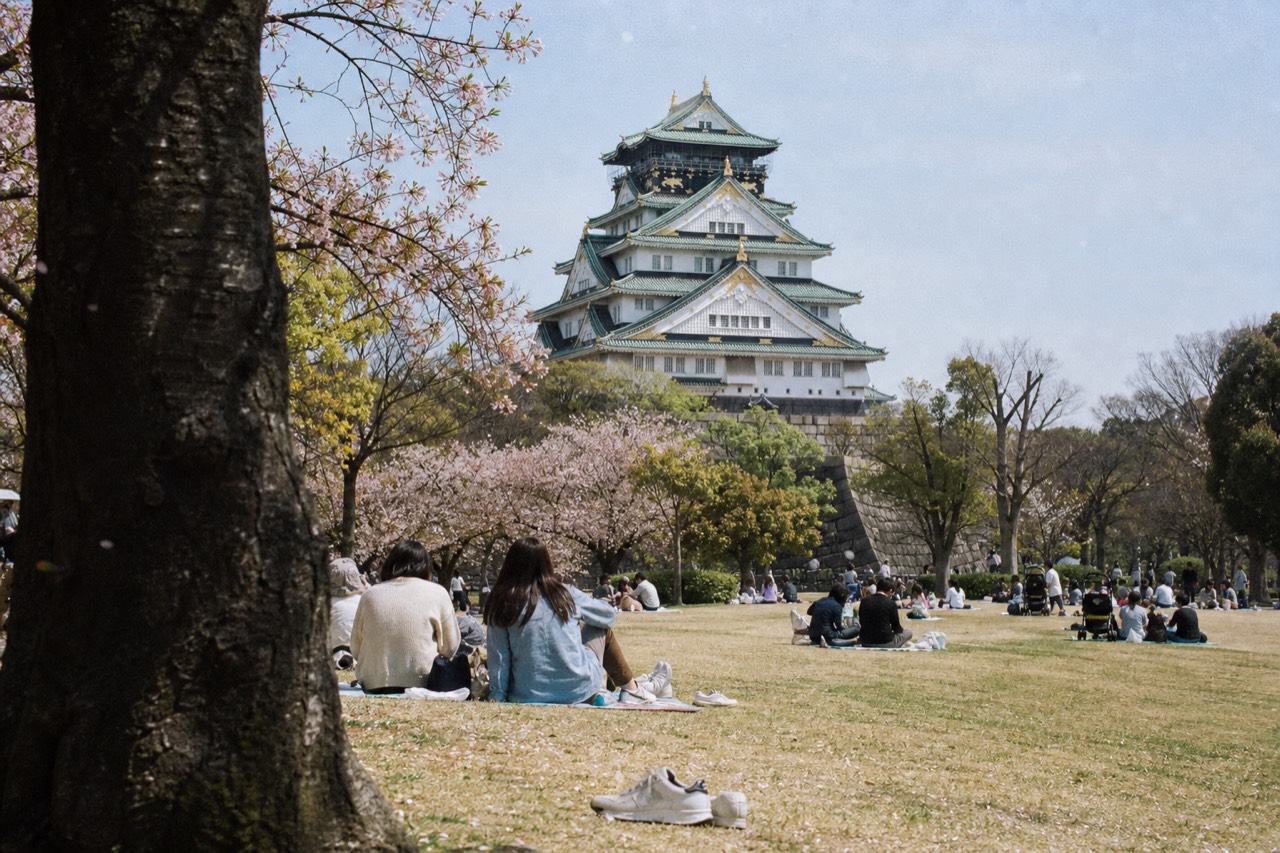
Nishinomaru Garden is a separate ¥300 admission, with its own ticket gate and different hours. It closes on Mondays and is open from 9:00 to 17:00 in the warmer months, with the last entry 30 minutes before closing. The garden holds about 300 cherry trees, mostly Somei-Yoshino, and the official specimen tree for Osaka's cherry-blossom declaration stands inside it. The garden also contains the two oldest surviving buildings at the castle, the Sengan-yagura and Inui-yagura turrets, both built in 1620 and designated Important Cultural Properties. The Sengan-yagura is about 13.5 metres tall with two storeys, and the Inui-yagura is an unusual L-shaped full two-storey structure. You can walk through the garden in about 30 minutes, but during the spring blossom viewing it takes longer.
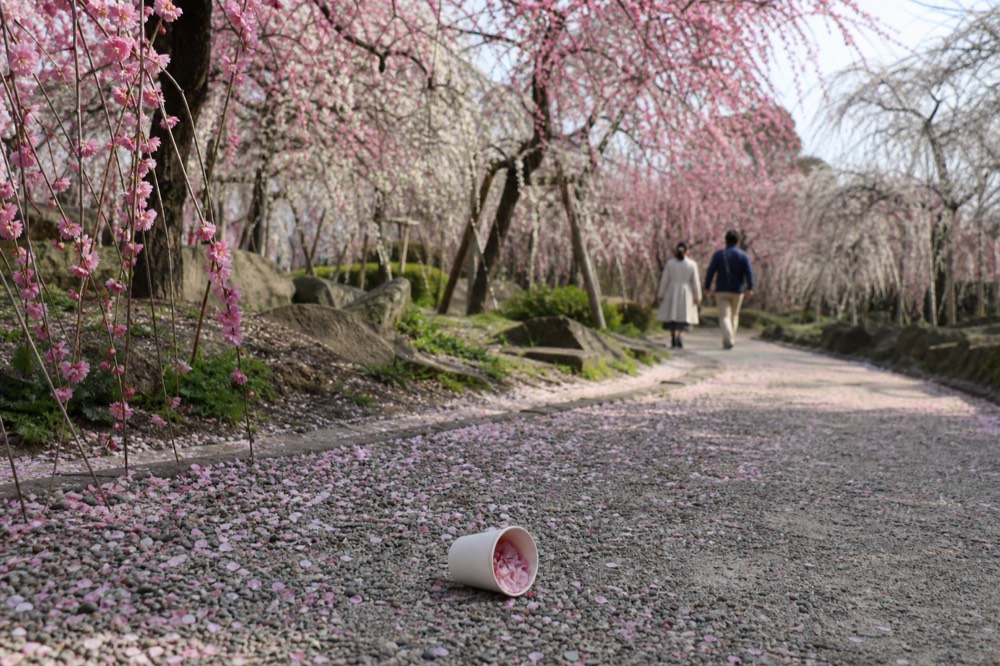
The Plum Grove, on the east side of the inner moat, is free and open year-round, with about 1,245 trees of 105 varieties. The park runs a live per-variety bloom table on its website, so check there for current conditions. Even without the blossom, the grove is a quiet detour that adds 15 to 20 minutes. The grove was created in 1974 when the alumni association of Osaka Prefectural Kitano High School donated 880 trees as their school's centennial project.
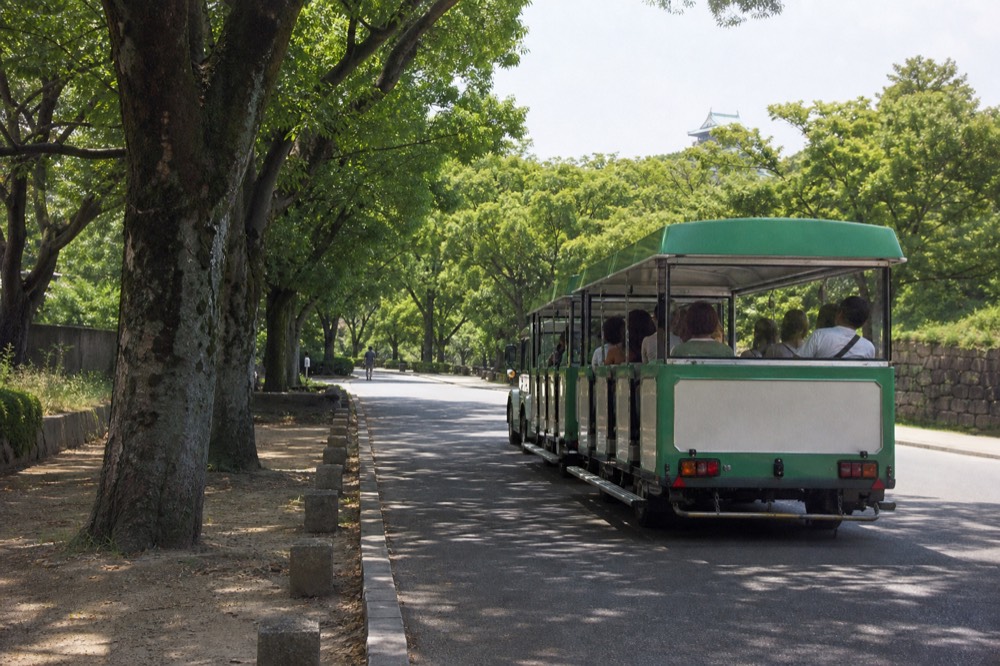
A half-day visit also lets you stop for a drink or a meal at Jo-Terrace Osaka, the commercial complex just outside the Otemon, or at the cafes inside the park. The Road Train and Electric Car run from 9:30 to 17:30, closed the first Thursday of each month, and cost ¥400 per ride for adults. They are useful if you are tired or if you want to save the walk back to the station, but they do not enter the honmaru. The Ensho-gura powder magazine, built in 1685 with granite walls about 2.4 metres thick, sits inside the garden and is worth a look if you are curious about the Tokugawa-era defensive infrastructure.
Visit type
What you see
Time needed
Ticket cost
Quick exterior
Park, moats, walls, tower exterior
45 minutes
Free
Standard visit
Main Tower, Stone Wall Museum
90 minutes to 2 hours
¥1,200 (adult)
Half-day
Tower, museum, Nishinomaru Garden, Plum Grove
3 to 4 hours
¥1,200 + ¥300 garden
How Long Do Recent Visitors Say They Spent?
Travellers in 2025 and 2026 report spending anywhere from 45 minutes to three hours, with the most common figure being 1.5 to 2 hours for the tower and grounds. The variation comes from the queue, the crowd level inside, and whether the visitor found the museum exhibits interesting.
In a Reddit thread from June 2025, one visitor described spending 1.5 hours total, including the tower and the park, and called it their biggest disappointment because the interior felt like a modern office building. Another on the same thread said they spent 45 minutes on the exterior and were glad they did not pay to enter. A third visitor, posting on TripAdvisor in 2026, said they spent two hours inside and found the observation deck and the Stone Wall Museum worth the time, but warned that the upper floors were packed.
These are opinions, not benchmarks. The honest takeaway is that the tower is a museum, and the people who enjoy it most are those who know that before they go. The people who complain the loudest are those who expected a historic castle interior, which it is not. The time you spend is a function of your interest in the exhibits, not of the building itself. Recent visitors also note that the free park grounds are often the most peaceful part of the experience, and that the walk around the inner moat can be as rewarding as the climb to the observation deck.
What Makes The Visit Longer Or Shorter
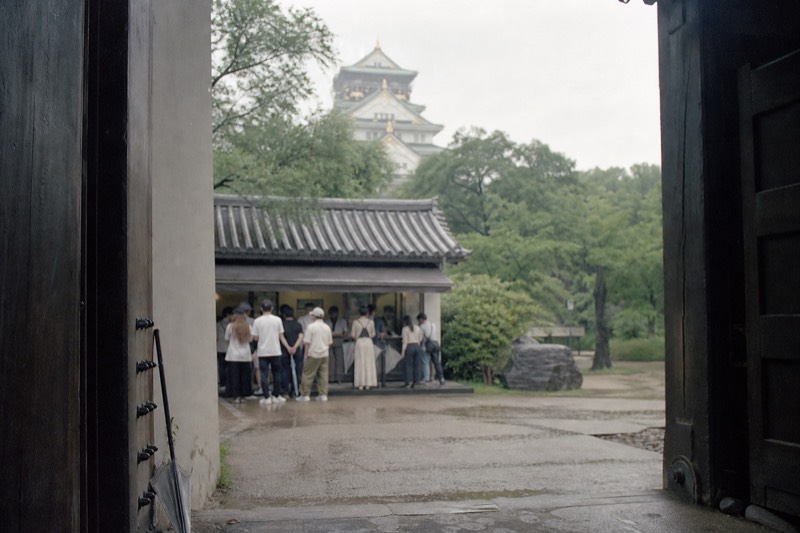
The single biggest variable is the ticket queue. The line can be long enough to add 30 minutes or more to your visit, especially in the morning and during peak seasons. The second variable is the crowd inside the tower, which slows your movement on the upper floors.
The castle museum itself warns that the queue can be capped before 17:30, and that groups are now asked to phone ahead with their date and numbers because enquiries about crowding have risen. The FY2025 record of 2,813,851 admissions means the tower is busier than it has ever been. A visit on a weekday in the late afternoon is likely to be faster than one on a weekend morning in cherry-blossom season. The castle's own guide page notes that enquiries about how crowded the museum is have increased, and the museum now asks groups to call ahead with their planned date, time and numbers.
The third variable is how much you read. The exhibits are labelled in Japanese, with some English captions, and the free audio guides add context. If you stop at every panel, you will spend longer. The fourth variable is the Stone Wall Museum, which is easy to miss because it is underground and not visible from the plaza. It adds 15 to 20 minutes, and the museum's own page warns that public access to the wall may be suspended without notice if the stone wall's condition requires it. The 1F theater room runs five short films in rotation with subtitles in four languages, and sitting through one adds about 10 minutes.
from $7.69The from-price you see online and the price at the castle window are the same adult admission, so booking ahead costs nothing extra.
Your ticket into the tower
Official E-Ticket
Adult, per person
Osaka Castle Main Tower entry
Osaka Castle Toyotomi Stone Wall Museum
QR code entry
Valid 30 days
No fixed time slot
No viewing time limit
Buying the official e-ticket ahead saves you the ticket-purchase line, not money, since the online price matches the window. You exchange nothing at the gate, you simply show the voucher and go in.
The real flexibility here is the voucher's 30-day validity, with no fixed time slot and no set viewing time limit.
Adult, per personGroup rate from 15 paying visitorsFree categories at the window
¥1,200
The window price is identical to the online price, so nothing is lost by paying in person. Students and under-15s should buy here, because proof-of-age discounts are handled face to face and not through an e-ticket.
Students with ID and visitors aged under 15, since discounted and free rates are only applied at the window.
One-day passOn sale 25 March 2026 to 31 March 2027
¥3,500
The one-day pass costs 3,500 yen against the 1,200 yen castle ticket on its own, so it only pays off with two or more other paid sights. Add transport and the maths tips further in its favor.
Visitors packing several paid sights plus metro and bus rides into one day, who will clear the pass price easily.
The park grounds, moats, stone ramparts and exterior views of the tower cost nothing at all, and they fill a half day on their own. The paid line falls only at the Main Tower entrance and the Toyotomi Stone Wall Museum.
Anyone who wants the castle views, moats and grounds without paying to go inside the buildings.
The simplest plan is to decide in advance whether you are going inside. If you are, buy the entry e-ticket to skip the ticket-purchase line, and aim for a weekday afternoon. If you are not, walk the park in the evening and see the free illumination.
The castle's own website states that the route from Tanimachi 4-chome via the Otemon is the most accessible, and that the walk from the nearest stations is about 18 to 21 minutes. The Road Train can shorten the walk from the station to the gate, but it does not enter the honmaru, so you still walk the last stretch. The Osaka Castle Park is open and free, and the exterior is lit until half past midnight.
If you are visiting during the cherry blossom, the Nishinomaru Garden opens late for the Kan'o Nighter, with hours extended to 21:00 and last entry at 20:30. The garden's admission during that period is ¥350, and the tower is floodlit in pink on the night the JMA declares the first bloom. The cherry blossom season is the busiest time of year, and the half-day budget is the realistic minimum if you want to see both the tower and the garden.
Scenario
Suggested plan
Total time
Quick stop, no ticket
Walk from Tanimachi 4-chome via Otemon, photograph the tower, walk back
45 minutes
Morning visit with tower
Arrive at 9:00, enter the tower, see the museum, leave by 11:00
2 hours
Afternoon with garden
Enter the tower at 14:00, then Nishinomaru Garden, leave by 17:00
3 hours
Evening exterior only
Arrive after 17:30, walk the park, see the illumination
45 minutes
The one thing the castle cannot give you is a historic interior. The current tower is a 1931 reconstruction, and the exhibits inside are a museum. If you want a castle that feels old, Himeji Castle is a day trip away, and its admission for non-residents rose to 2,500 yen on 1 March 2026. The two castles are different experiences, and the budget you choose at Osaka Castle should reflect what you are actually paying to see.
A breakdown of the three visit budgets: 45 minutes for the exterior, 90 minutes for the tower and museum, and half a day with the garden.
The e-ticket covers the Main Tower and the Toyotomi Stone Wall Museum together, and it is the simplest way to secure admission without waiting in the ticket-purchase queue. The guided walking tour is a separate experience that covers the castle grounds with a live English-speaking guide, and it does not include tower entry in its base price. Knowing which one fits your time budget helps you decide.
Common Questions About How Long To Spend At Osaka Castle
How Long Does It Take To See Osaka Castle?
Most visitors need 90 minutes to two hours if they go inside the Main Tower and the Toyotomi Stone Wall Museum. A quick walk around the exterior takes about 45 minutes.
Can You Visit Osaka Castle In One Hour?
Yes, if you only walk the park and photograph the exterior. You cannot enter the tower and see the museum in one hour; the tower alone takes 50 to 60 minutes according to the castle museum's own estimate.
Is It Worth Going Inside Osaka Castle?
The tower is a museum, not a historic interior. The observation deck and the underground Stone Wall Museum are the highlights. Many visitors find the experience worth it if they know what to expect, but others are disappointed by the modern interior.
How Long Is The Queue For Osaka Castle?
The queue can be long enough to add 30 minutes or more, especially in the morning and during peak seasons. The castle museum warns that the ticket queue may be capped before the last admission at 17:30.
What Is The Best Time Of Day To Visit Osaka Castle?
A weekday afternoon is likely to be less crowded than a weekend morning. The tower is open from 9:00 to 18:00, with last admission at 17:30.
Do I Need A Ticket For The Osaka Castle Grounds?
No, the park and the exterior of the tower are free. You only need a ticket to enter the Main Tower and the enclosed Nishinomaru Garden.
Skip The Ticket Line With A Flexible Entry E-Ticket
The Osaka Castle entry e-ticket gives you access to the Main Tower and the Toyotomi Stone Wall Museum. Your voucher is valid for 30 days, with no fixed time slot and no viewing time limit.