Where Not To Stay In Osaka?
The parts of Osaka that make a castle visit harder than it needs to be: long transfers, late-night noise, and hotel markets where the cheap rate buys the wrong location.
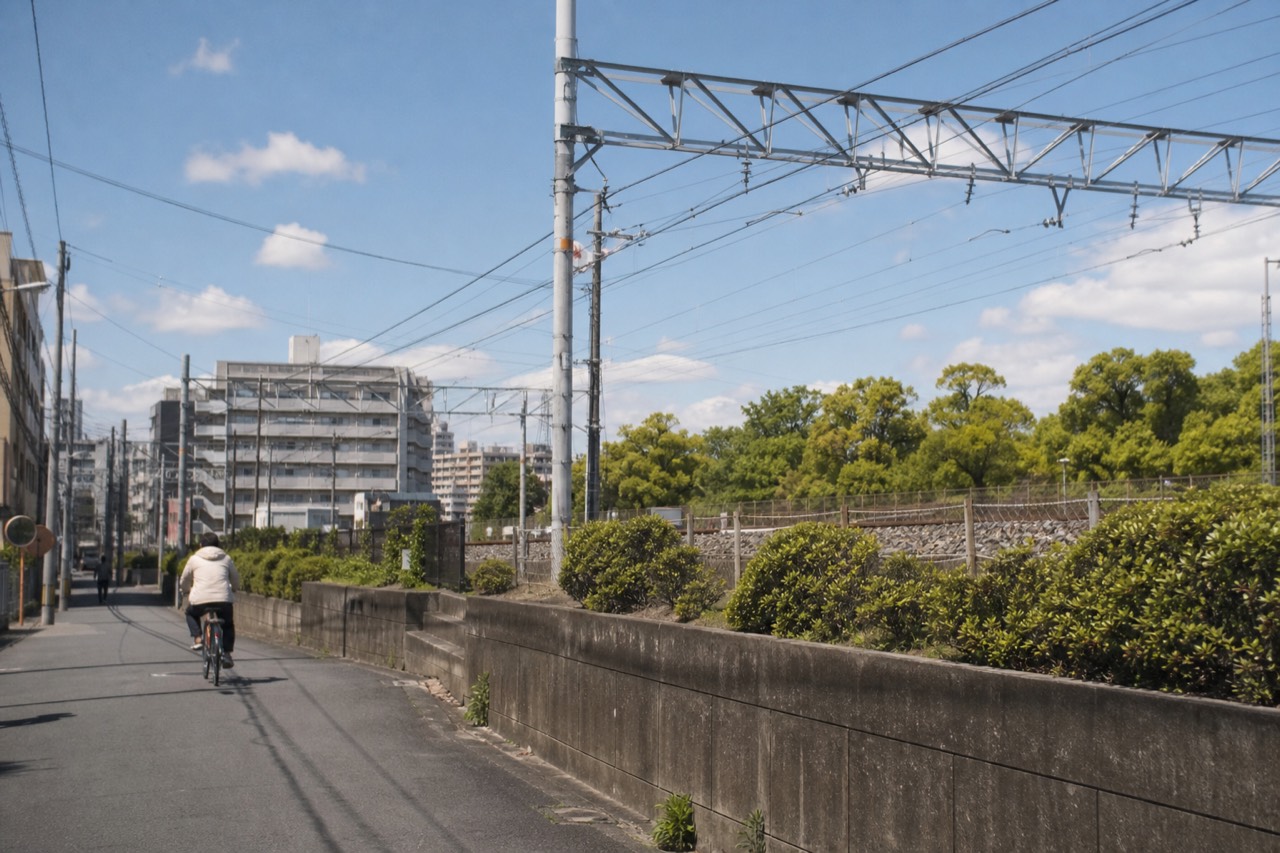
The single biggest mistake visitors make with Osaka is treating the city as one place. It is not. Osaka runs on a set of rail corridors, and a hotel on the wrong side of one of them can quietly add an hour to every day of a trip. The neighbourhoods below are not dangerous, and this article is not going to pretend they are. They are simply places where the cheap rate or the glossy listing buys you the wrong location for a castle-centred visit, or where the noise is a real, documented feature rather than an occasional annoyance.
Where Not To Stay In Osaka?
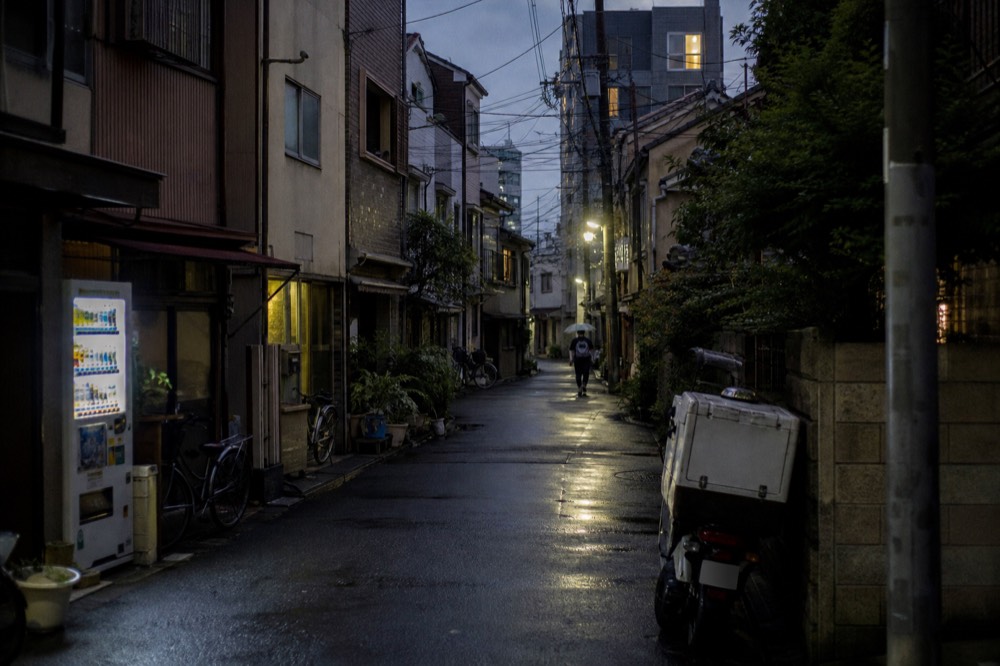
Stay away from bases that sit far from the Osaka Loop Line or a Metro interchange, and from rooms that face the entertainment districts after midnight. Nishinari and the outer edges of Shinsekai are the classic examples on the transport-and-noise axis: the rate is low, the station access is good, but the character at night divides opinion sharply, and the trip to the castle is a two-line ride, not a stroll.
The honest framing first. A hotel in Tennoji or Shin-Osaka or Namba is a genuinely different product from a cheap apartment on the western edge of Nishinari, even when the map makes them look close. Osaka Castle sits in Chuo-ku, and the stations the castle's own access page names are Osakajokoen and Morinomiya on the JR Loop Line, Tanimachi 4-chome and Morinomiya on the Metro, and Temmabashi on the Keihan line. Anything that requires a transfer to reach one of those is a commute, and the park walk from each station runs about 18 to 21 minutes on top of the ride, because the approach crosses moats and gates rather than streets.
That walk time matters for choosing a base. If you are staying somewhere that already demands 40 minutes of rail to reach the Loop Line, the castle becomes a half-day commitment before you have seen a single exhibit. The fix is rarely a better hotel in the same spot, it is a different spot.
Which Areas Put You Furthest From Osaka Castle?
The districts that cost the most time are the ones with no direct Loop Line or Metro Tanimachi/Chuo/Nagahori connection: the western port areas around Universal City, the southern commuter belts beyond Tennoji, and anything marketed as "Osaka" that actually sits in an adjacent city. A castle morning from Universal City, for instance, means a Loop Line transfer on top of the ride.
Universal City is the clearest case. It exists for one purpose, the theme park, and it does that purpose well, but it hangs off the JR Sakurajima Line rather than the Loop Line, so reaching the castle means riding into the loop and then round to Osakajokoen. Visitors staying there for a park-heavy itinerary are fine. Visitors who discover on day two that they also want the castle, Kuromon Market and the Sumiyoshi shrines are spending a surprising share of their holiday changing trains.
The commuter belts south and east are the quieter trap. Rates drop sharply a few stations past Tennoji and around the outer Kintetsu and Nankai lines, and the listings look identical to central ones, same photos, same amenities. What differs is that your nearest station is a rapid-stop at best, and the castle's stations are all loop or Metro ones. Two lines, every morning.
Osaka's post-Expo hotel market has also made this decision more confusing than it was. Two large central hotels opened in spring 2025, Patina Osaka near Hoenzaka with castle views, and Waldorf Astoria in the Umekita development, adding genuine high-end capacity within walking range of the park. At the same time, published trade commentary in 2026 describes occupancy and room rates softening after Expo 2025, with new supply still arriving. For a visitor this means the central rate gap has narrowed, which weakens the main argument for a far-flung base in the first place.
| Base area | Rail reality for a castle visit | The trade-off |
|---|---|---|
| Universal City | Sakurajima Line into the loop, then transfer | Great for the theme park, a commute for everything else |
| Outer Nankai belt (south) | One line into Namba, then Metro transfer | Cheap, but two legs every castle morning |
| Western port fringe | Sparse stations, bus dependency | Low rates, poor frequency |
| Adjacent-city listings | Named "Osaka" but another prefecture's fare structure | Fine rail, wrong network, daily cost creep |
| Tennoji / Namba | One direct ride to the castle's stations | Still a good base, just noisier than the north |
If your itinerary is castle-heavy, the geometry is simple: the castle is central-east, so a base anywhere on the JR Loop Line between Osaka Station and Kyobashi, or on the Metro Chuo line, puts you one ride away. Our guide on getting to Osaka Castle by train breaks down each station, exit and gate, including the flat, wheelchair-friendly Otemon approach from Tanimachi 4-chome.
Is Nishinari Really A Place To Avoid?
Not for the reasons the internet says. The measurable problems with basing yourself in the Nishinari and Airin district are noise, street activity at night and the grit of an area with a large day-labour history, and recent guest reviews repeatedly flag the atmosphere after dark rather than anything during the day. The transport links are genuinely good. If you are a sound sleeper on a tight budget, it can work. If you are not, spend the difference.
The chatter deserves to be handled honestly because it is loud. Guest reviews on booking sites through 2025 and 2026 describe the area as budget-friendly with excellent station access, while warning that the streets feel intimidating at night, a word solo female travellers in particular use repeatedly. That is opinion, not fact, and this article treats it as such. What is verifiable is the area's character: Nishinari has a documented history as Japan's largest day-labourer district, and its cheap accommodation stock grew from that history, not from tourism.
The transport half of the picture, which is the half you should actually decide on, is solid. Shin-Imamiya sits on both the JR Loop Line and the Nankai main line, and Dobutsuen-mae is on the Metro Sakaisuji and Midosuji lines. A castle visit is one ride with a short transfer. Nothing about the rail geography argues against the area.
The noise argues against it. Cheap buildings near elevated rail and late-night commerce are thin-walled, and the streets around the arcades do not go quiet at 22:00 the way a residential ward does. If your plan is an early castle arrival, and early arrivals are the single best tactic for a tower that drew 2.8 million visitors last fiscal year, you need a room you can sleep in by 22:00. Read more on timing in how long to spend at Osaka Castle.
One practical note from the official side: the castle's own guide page warns that the ticket-purchase queue can be capped before the 17:30 last admission, and the castle museum's FAQ notes congestion enquiries have risen enough that groups are asked to phone ahead. Crowding is not a rumor, it is an officially acknowledged feature of the current boom, and it is the reason a base that lets you arrive at opening is worth paying for.
Where Does Noise Actually Ruin An Osaka Hotel Stay?
The loud zones are the entertainment cores: Dotonbori's immediate blocks, the bars east of Namba, and the late districts around Umeda's drinking streets. The noise there is structural, dense nightlife with deliveries and crowds past midnight, not occasional. A room described as "steps from Dotonbori" is a room above a district that stays loud until late, and a riverside view does not change that.
Dotonbori deserves specific warning because the listings look so good. Being one street from the canal means being one street from a corridor that packs thousands of revellers, street performers and late food stalls into a few hundred metres. The reviews that complain about noise from these rooms are consistent and predictable, not unlucky. One street back, on the Dotombori side towards Soemoncho, the same problem intensifies: Soemoncho is a bar street that does not wind down early.
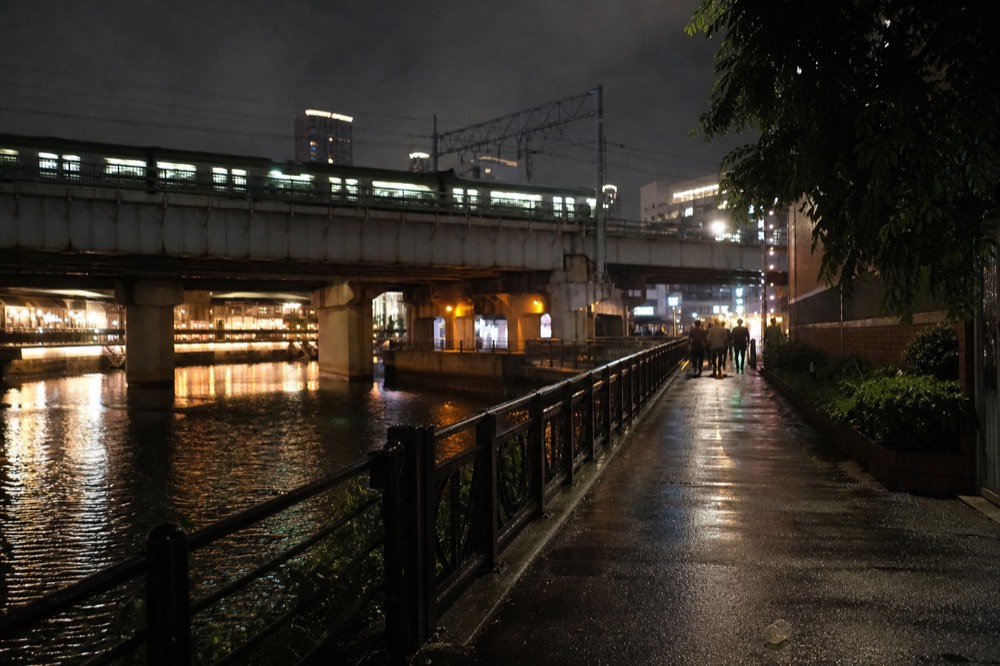
Umeda has its own version: the drinking streets around the station's east exits, where the izakaya and standing-bar scene runs late, and where the elevated rail corridors add the freight of trains past midnight in the thinnest buildings. The trade-off is that Umeda is otherwise one of the best-connected bases in the city, sitting right on the Loop Line that runs to Osakajokoen station. The solution is not avoiding Umeda, it is avoiding the specific blocks facing the nightlife, which the hotel's address, not the star rating, tells you.
from $7.69 The from-price you see online and the price at the castle window are the same adult admission, so booking ahead costs nothing extra.
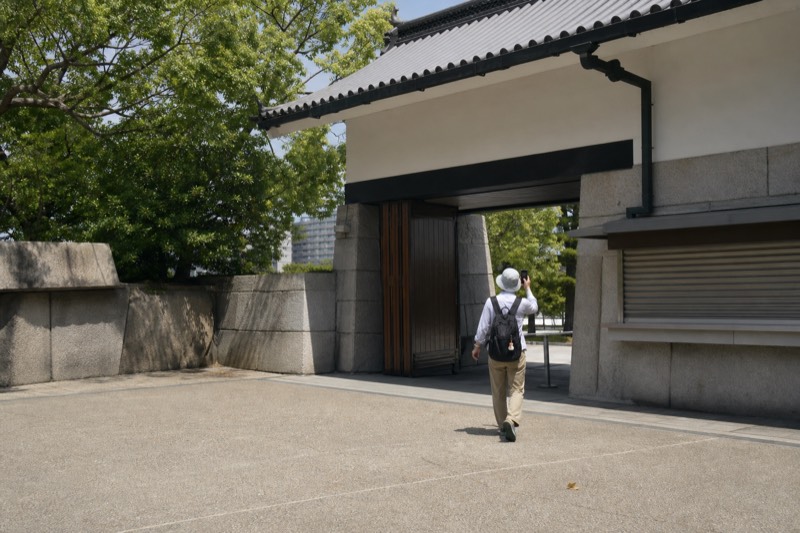
Your ticket into the tower
Official E-Ticket
- Osaka Castle Main Tower entry
- Osaka Castle Toyotomi Stone Wall Museum
- QR code entry
- Valid 30 days
- No fixed time slot
- No viewing time limit
Buying the official e-ticket ahead saves you the ticket-purchase line, not money, since the online price matches the window. You exchange nothing at the gate, you simply show the voucher and go in.
The real flexibility here is the voucher's 30-day validity, with no fixed time slot and no set viewing time limit.
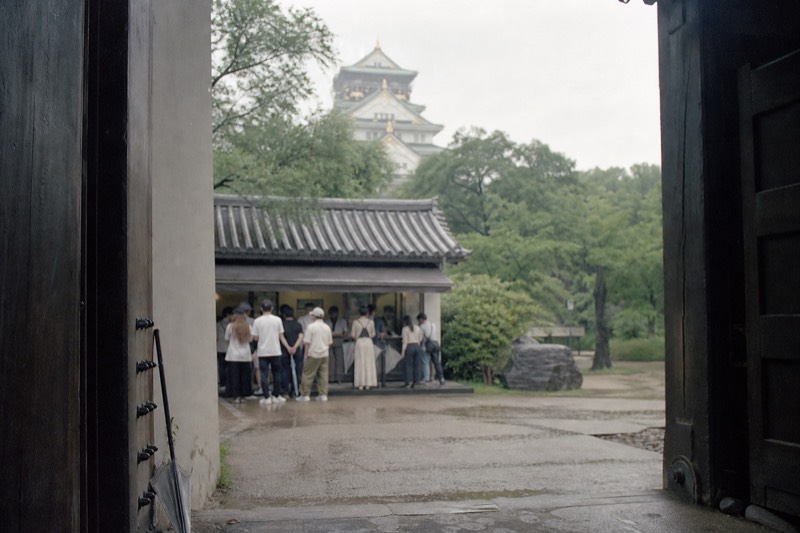
At The Gate
Adult, per person Group rate from 15 paying visitors Free categories at the window
¥1,200
The window price is identical to the online price, so nothing is lost by paying in person. Students and under-15s should buy here, because proof-of-age discounts are handled face to face and not through an e-ticket.
Students with ID and visitors aged under 15, since discounted and free rates are only applied at the window.
See what it covers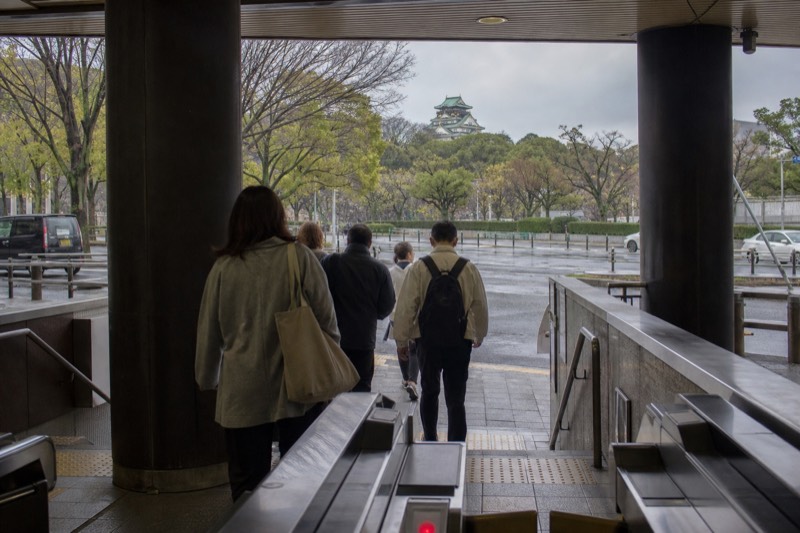
Osaka Amazing Pass
One-day pass On sale 25 March 2026 to 31 March 2027
¥3,500
The one-day pass costs 3,500 yen against the 1,200 yen castle ticket on its own, so it only pays off with two or more other paid sights. Add transport and the maths tips further in its favor.
Visitors packing several paid sights plus metro and bus rides into one day, who will clear the pass price easily.
See what it covers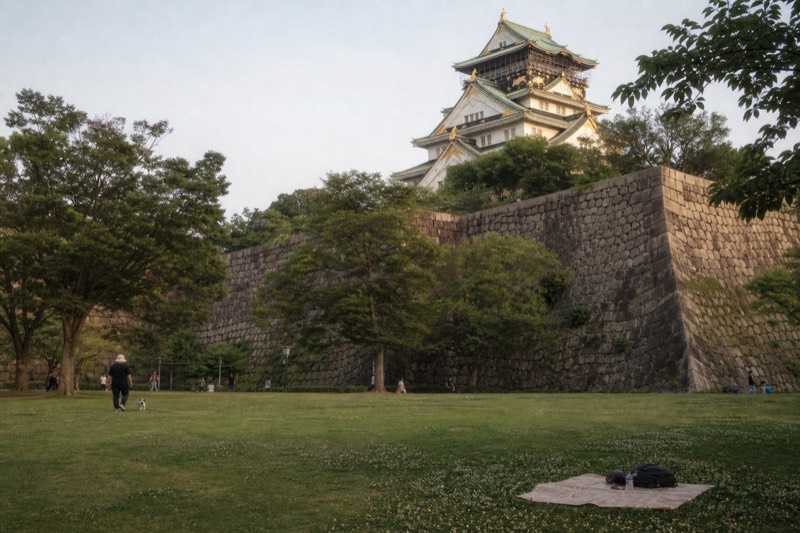
Free Park Areas
No admission charge
Free
The park grounds, moats, stone ramparts and exterior views of the tower cost nothing at all, and they fill a half day on their own. The paid line falls only at the Main Tower entrance and the Toyotomi Stone Wall Museum.
Anyone who wants the castle views, moats and grounds without paying to go inside the buildings.
See what it coversKyobashi, by contrast, is the sleeper pick that nobody warns you about, in both senses. It is a Loop Line stop two minutes from the castle's own stations, surrounded by a huge office-and-shopping complex, and its nights are calm by Osaka standards. A base there can be quieter than a cheaper room three train lines away. The castle's official access page lists Osakajo-kitazume on the JR Tozai line at about a 21 minute walk to the tower, so the whole northeast corner of the loop is castle country.
There is one more layer of noise the brochures never mention: the accommodation tax now reaches further down the price scale. Osaka Prefecture's own tax page states the revision effective 1 September 2025, which dropped the untaxed threshold from 7,000 to 5,000 yen per person per night and set bands of 200 yen, 400 yen and 500 yen. The cheapest rooms are now taxed rooms, and the prefecture states this on its official accommodation-tax page, worth checking before you compare rates across districts.
Are Short-Term Rentals The Problem Rather Than The Area?
Increasingly, yes. Osaka City closed new applications for its special-zone private lodging certification on 29 May 2026, and the apartments still on the market cluster in the buildings with the thinnest floors and the fewest permanent residents, which is exactly where noise complaints concentrate. A cheap rental is now more likely than a hotel to be the thing that goes wrong with your stay, regardless of district.
The regulatory shift is documented on the city's own site, which announced the end of new special-zone minpaku certification in May 2026. What that means for a visitor is supply tightening in the central wards, and the remaining stock skewing towards buildings that were never designed for nightly turnover. A hotel, even a cheap one, has a front desk that cares about its review score. A rental in a mixed building has a lockbox and neighbours who did not choose to live next to a hotel.
The noise pattern is predictable: check-in clatter at 22:00, suitcase wheels on hard floors above you, and a building where nobody has any authority over the guest above. For a castle trip built on an early start, that is the worst possible room profile, and it can happen in a perfectly good neighbourhood. If you do book a rental, prefer ground-floor or top-floor units in buildings with a stated management presence.
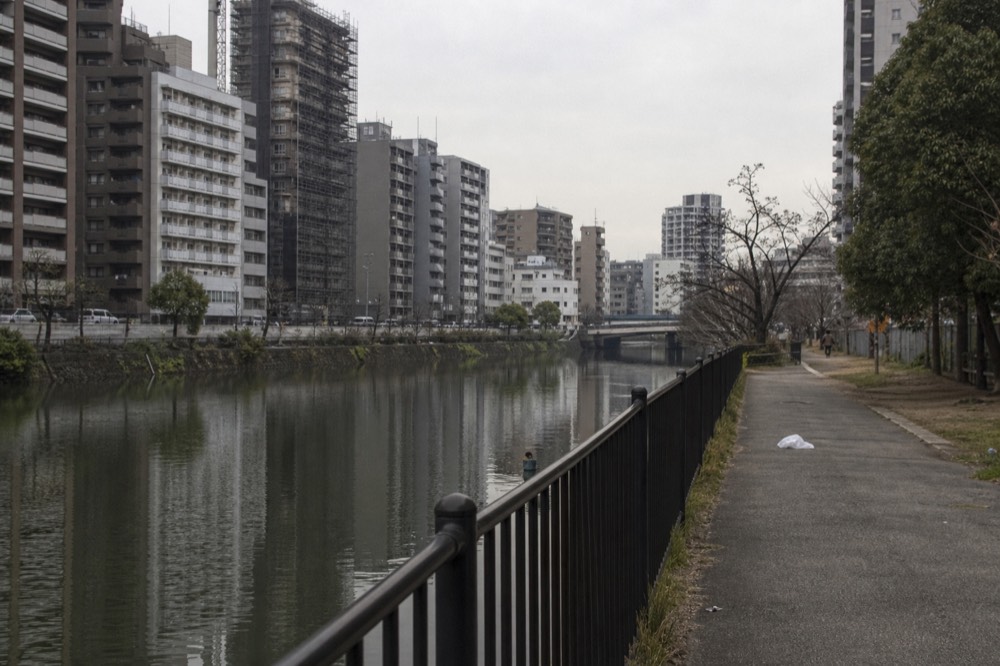
The counterweight is that central hotel supply improved. Patina Osaka, 221 rooms with castle views, opened 1 May 2025 near Hoenzaka, per its developer's own opening announcement, and the Umekita development added a second large luxury property the same spring. Even if those are above your budget, they pull demand, and trade commentary through 2026 describes softening rates. The old advice, stay far out to save money, is weaker in this market than it was two years ago.
Where Should You Stay Instead For A Castle Trip?
Anywhere on the JR Loop Line east of Osaka Station, or on the Metro Chuo line: Kyobashi, Morinomiya, Tanimachi 4-chome or the northeast of Kitahama and Temmabashi. These put you one direct ride, or a walk, from the castle's stations, in quieter residential and office-adjacent streets, and the rate gap with the entertainment cores has narrowed enough that the maths now favours them.
Temmabashi deserves a special mention for castle trips. It is on both the Keihan main line and the Metro Tanimachi line, about a 19 minute walk from the tower per the castle's own map, and it sits on the Okawa river with a riverside walk that runs straight into the park. The streets behind it are calm office-and-residential blocks. It is the rare Osaka base that is both quiet and closer to the castle than most of Namba.
For first-time visitors who want the food-and-neon experience too, the compromise is the north side of Namba or the station-adjacent blocks of Umeda, choosing a room explicitly away from the Dotonbori frontage. You get the evening you came for and a one-ride morning. For families, the apartment-hotels around Namba and Shinsaibashi that recent traveller chatter recommends do the castle-plus-city combo well.
And once the base is sorted, the castle morning itself rewards preparation. The Main Tower opens 9:00 and closes 18:00 with last admission 17:30, and the official guide page warns the ticket queue can be capped earlier than that on busy days. An entry e-ticket, valid 30 days with no fixed time slot, covers the tower and the Osaka Castle Tickets site's recommended pairing, the Toyotomi Stone Wall Museum, from $7.69 per adult, the same ¥1,200 the gate charges, with the queue for ticket purchase already behind you. Students pay less at the gate, ¥600 with proof, and junior-high age and under enter free, so families should read our Osaka Castle entrance fee guide before buying anything.
One last thought on the guided option, since it pairs with the location question. A live guide meets you on the grounds, so the tour's value does not depend on where you sleep, only on when you can get to the park. If your base is one ride away, a morning walk with a guide and an afternoon inside the tower is a comfortable single day. If your base is three rides away, that same plan starts feeling rushed, which is one more quiet argument for staying close.
The short version of everything above: judge an Osaka base on rail geometry and noise, not on scare stories. Stay on the Loop Line or the Chuo line, avoid rooms facing Dotonbori or Umeda's bar streets, treat Nishinari as a budget trade-off rather than a danger zone, and prefer a hotel over a lockbox rental in a market where certification has tightened. The questions below cover the specifics visitors ask most.
Common Questions About Where Not To Stay In Osaka
Where Not To Stay In Osaka?
Avoid bases far from the Loop Line or a Metro interchange, and rooms facing Dotonbori, Soemoncho or Umeda's bar streets, where noise is structural and runs past midnight. Nishinari's low rates buy thin-walled buildings in a gritty late-night district, even though its station access is genuinely good.
Is Nishinari Unsafe For Tourists?
Recent guest reviews call the area budget-friendly with good transport but warn it feels intimidating at night, especially for solo female travellers. That is opinion, not a crime statistic. The practical case against it is noise and atmosphere after dark, not a documented safety problem.
Where Is The Best Place To Stay For Osaka Castle?
The Loop Line east of Osaka Station: Kyobashi, Morinomiya or Osakajokoen-adjacent, or the Metro Chuo and Tanimachi lines around Temmabashi and Kitahama. Every station the castle's own access page names sits in that northeast corridor, and each is an 18 to 21 minute walk through the park to the tower.
Is It Cheaper To Stay Far From Central Osaka?
Less than it used to be. Osaka's accommodation tax now applies from 5,000 yen per night, and post-Expo commentary through 2026 describes softening central rates with new supply still opening. The cheap far-flung room also buys a two-line commute to the castle every morning.
Should I Book A Hotel Or A Short-Term Rental In Osaka?
A hotel, for a castle trip. Osaka City ended new special-zone private lodging certification on 29 May 2026, and remaining rentals cluster in buildings where noise complaints concentrate. A hotel has staff who answer for the room; a lockbox apartment does not.
Is Shin-Osaka A Bad Base For Sightseeing?
Not bad, just specialised. It is a Shinkansen hub one stop from Osaka Station on the Loop Line, excellent for day trips and for arrivals, but you transfer for everything central, and the district around it is hotels and offices rather than the Osaka you came to see.