What Are The Top 3 Things To Do In Osaka?
Discover the three unmissable experiences in Osaka, from the iconic Osaka Castle to the dazzling Dotonbori canal and the sweeping city views from the Umeda Sky Building.
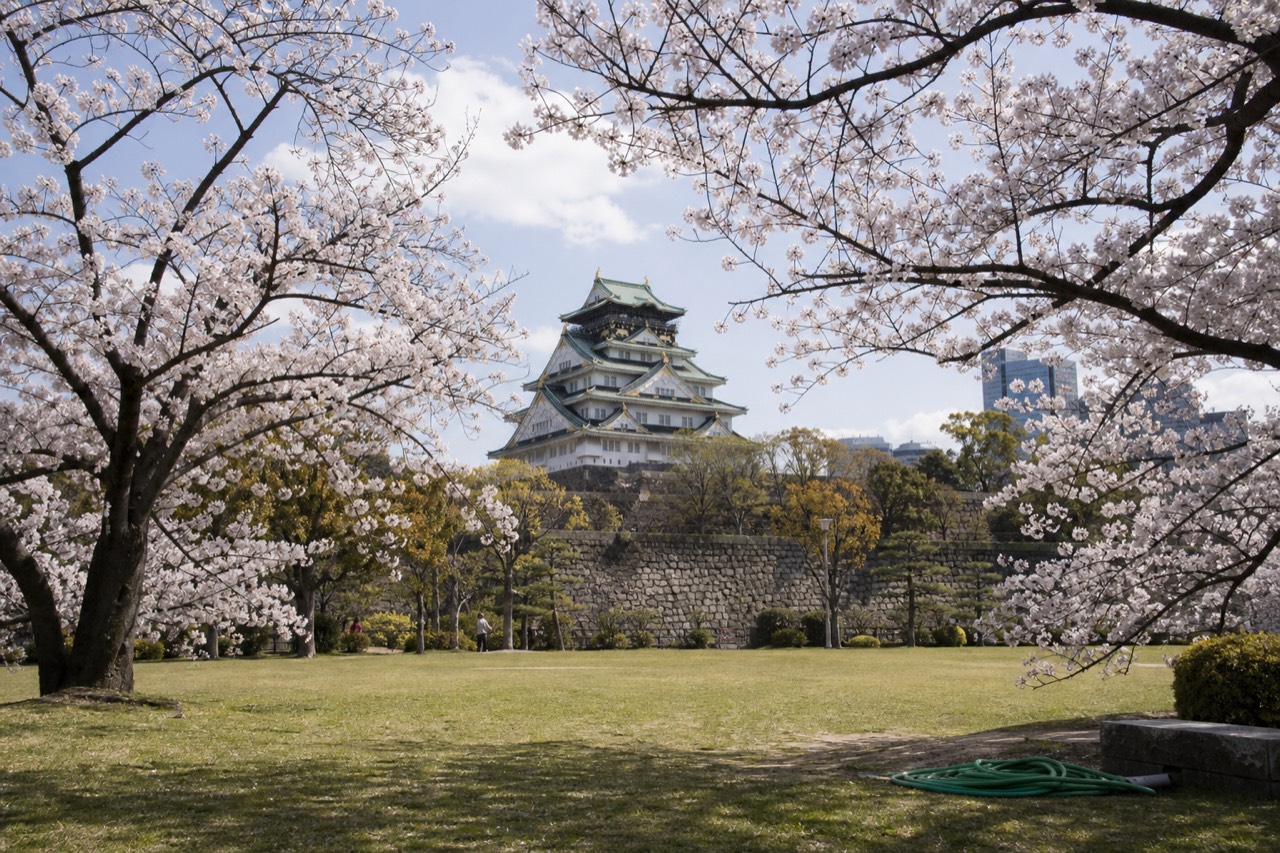
What Are The Top 3 Things To Do In Osaka?
The three essential Osaka experiences are walking inside the 1931-reconstructed Osaka Castle and its new Toyotomi Stone Wall Museum, eating your way along the Dotonbori canal's neon-lit streets, and taking in the panoramic view from the Umeda Sky Building's Floating Garden Observatory. Together they cover the city's history, food, and skyline in a single day, and each one is a short subway ride from the next.
Osaka is not a city of quiet temples or hidden gardens, it is a city that wears its energy on the outside, and the best of it is concentrated in a handful of stops that tell the whole story. The castle is the historical anchor, the reason the city exists at all. Dotonbori is the counterpoint, a riot of food, signage and street life that has fuelled Osaka's reputation as Japan's kitchen. And the Umeda Sky Building, standing high above the Kitasenba district, delivers the one view that ties them together, with the tower rising from the park, the canals snaking through the city, and the mountains ringing the plain. The table below pulls them into a quick plan.
| Thing | Why it's a must | Best for |
|---|---|---|
| Osaka Castle and the Toyotomi Stone Wall Museum | The city's defining landmark, a museum inside a 1931 reconstruction, and the underground gallery that shows the buried Toyotomi-era walls | History, views, photography |
| Dotonbori canal and street food | Neon-lit riverside packed with food stalls, the Glico sign, and the collective energy of Osaka's nightlife | Food, atmosphere, people-watching |
| Umeda Sky Building Floating Garden Observatory | An open-air observation deck with a futuristic twin-tower design and a sweeping view of the entire city | Panoramic views, sunset, architecture |
The three can be done in a day if you start at the castle, walk through the park, head to Dotonbori for lunch, and finish at Umeda Sky Building for sunset. Each one is a short train or subway ride from the next, and each one kills a different urge that draws people to Osaka. The castle tells you why the city is here, Dotonbori shows you how it lives, and the observation deck gives you the scale of it.
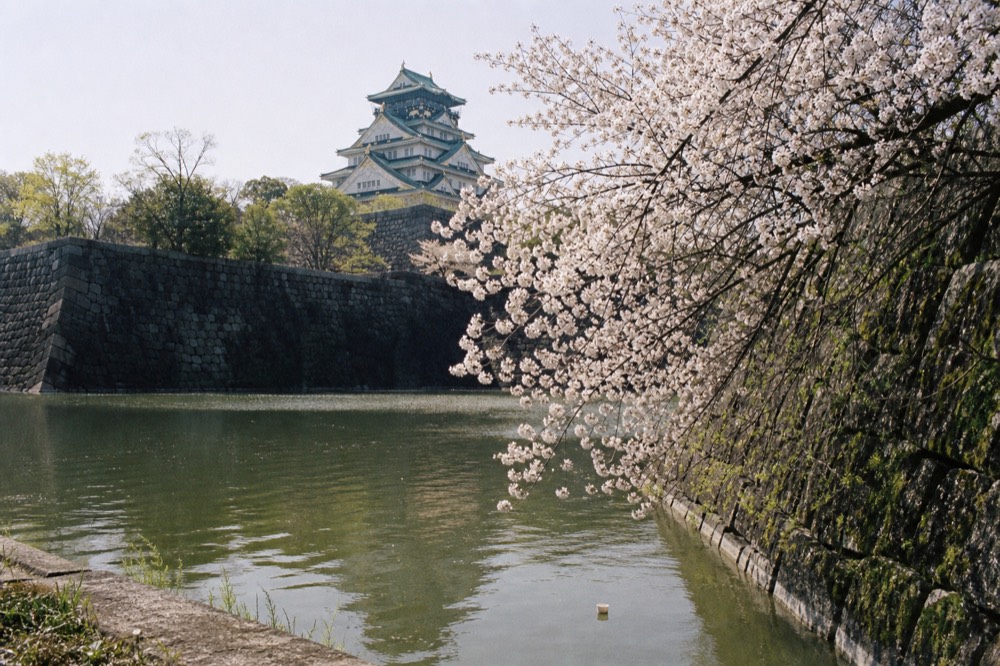
1. Osaka Castle: The City's Living History
Osaka Castle is the city's living history. A 2025 Navitime Japan analysis of navigation data, reported by Kyodo News, ranked it the most popular castle among foreign visitors to Japan. The site today covers the eight-floor museum in the Main Tower, the 8th-floor observation deck at about 50 metres up, and the Toyotomi Stone Wall Museum, which opened on 1 April 2025 in the honmaru with no separate admission fee.
The tower you see today is a ferro‑concrete reconstruction finished in 1931, funded by public subscription from the citizens of Osaka and designated an Osaka City Tangible Cultural Property in July 2025. Inside, the permanent exhibition walks you through the life of Toyotomi Hideyoshi, the Summer War of Osaka in 1615, and the castle's long afterlife, with paper‑screen displays, samurai armour and a life‑size golden shachihoko replica on the second floor. Photography is free everywhere except floors 3 and 4, where Important Cultural Properties are on display, and the observation deck on the top floor gives you a clear view of the park, the city and the mountains beyond.
The real surprise, though, is the Toyotomi Stone Wall Museum, a subterranean gallery built around a section of the stone wall that once protected Hideyoshi's private quarters. When the Tokugawa shogunate rebuilt the castle after 1615, they buried the Toyotomi walls under about six metres of fill, and this is the only place you can see one of them up close. The museum's English leaflet explains the engineering clearly, and the curatorial columns on the castle's own site go deeper into the excavation history: the wall was first discovered in 1959, then fully uncovered in 1984, and it took until 2025 for the public display project to open. The museum has no toilets inside, and the castle entrance fee guide covers every ticket category and exemption in detail.
The easiest way to skip the ticket‑purchase queue is to book the entry e‑ticket online before you arrive. The voucher is valid for 30 days, there is no fixed time slot, and once you are inside there is no set viewing time limit. Students pay ¥600 at the gate with proof of age, junior‑high‑school age and under are free, and Osaka City residents aged 65 and over enter free with a local ID. The adult ticket costs ¥1,200 and covers both the Main Tower and the Toyotomi Stone Wall Museum, and the Osaka Castle entry ticket starts from $7.69.
If you want a guided experience, the Osaka Castle Walking Guided Tour is a live, English‑speaking tour of the castle grounds, running 1.5 to 3 hours. The guide explains the history of the moats, the surviving Tokugawa‑era turrets, and the layout of the honmaru. The base price does not include tower admission, so you can choose the option with entry included on the live listing, or you can book the entry ticket separately and stack them. The guided tour is rated 4.7 across 262 reviews and starts from $28.85.
The two products answer different needs, and many visitors pair them. The e‑ticket gives you the freedom to explore the tower and the museum at your own pace, while the guided tour fills in the stories that the museum's panels can only hint at. The inside Osaka Castle guide walks through every floor of the tower, from the 1F theater room to the 8F observation deck.
The castle grounds themselves are free, and the park's 105.6 hectares hold about 3,000 cherry trees and a plum grove of 1,245 trees across 105 varieties. The official park map puts the walk from the nearest train stations at about 18 to 21 minutes, and the route from Tanimachi 4‑chome via the Otemon gate is the flattest and most wheelchair‑friendly. The tower lends five wheelchairs for in‑building use, free audio guides are available in Japanese, English, Korean and Chinese from the 1F and 5F information counters, and the things to do near Osaka Castle guide rounds up the museums, gardens and river walks that sit within a few minutes of the park.
| Station | Official walk to the tower | Best for |
|---|---|---|
| Osakajokoen (JR Loop Line) | About 18 minutes | Direct train, minimal turns |
| Tanimachi 4‑chome (Metro) | About 18 minutes via Otemon gate | Wheelchair‑accessible route |
| Osaka Business Park (Metro) | About 18 minutes | Closest by straight‑line distance |
Osaka Castle Tickets is the place to book the entry e‑ticket and the guided walking tour, and the site's guides cover everything from the opening hours to the best photo spots inside the tower.
The castle is the one attraction that anchors any Osaka itinerary, and the time you spend there sets the tone for the rest of the day. Most visitors spend 50 to 60 minutes inside the tower, longer if they read the exhibits carefully, and the walk from the car parks to the main gate is about 15 minutes each way. The tower closes at 18:00 with last admission at 17:30, and the ticket queue can be capped before 17:30 on busy days, so a morning start is the safest bet.
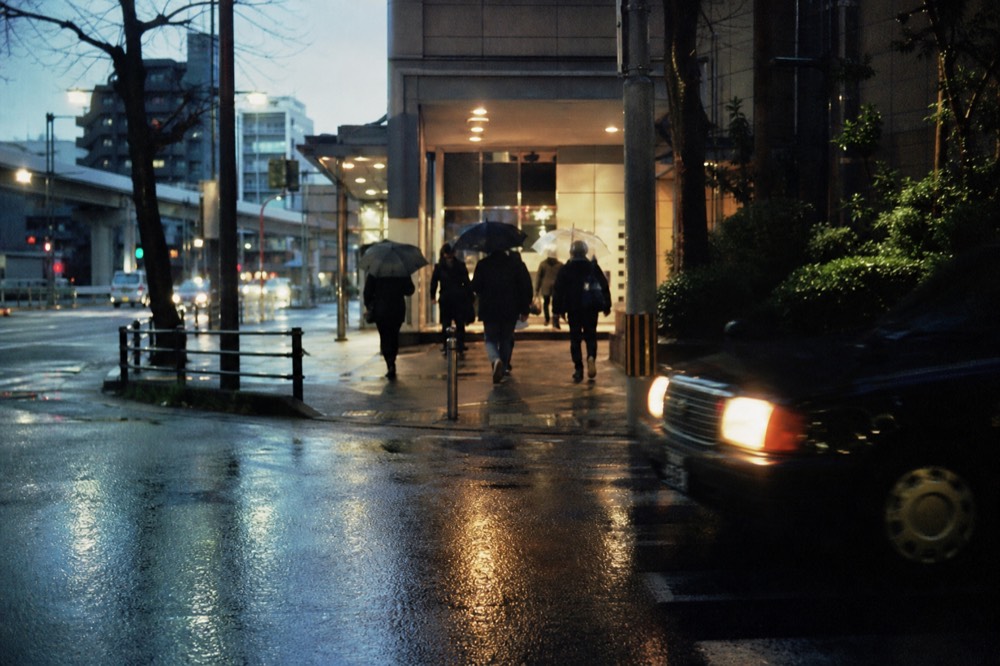
2. Dotonbori: Osaka's Neon‑Lit Kitchen
Dotonbori is the city's food‑and‑entertainment district, a centuries‑old canal lined with restaurants, street stalls and some of the most recognisable signage in Japan. The Glico running man, the mechanical crab of Kani Doraku, and the giant blowfish lanterns are all here, and the best way to experience it is to eat your way from one end to the other.
The canal was dug by the merchant Doton Yasui, and the area has been a theatre and dining district almost ever since. Today the street food is the main draw: takoyaki, the crisp‑shelled octopus balls that are Osaka's signature snack, cooked on griddled moulds and brushed with a sweet‑savoury sauce; okonomiyaki, the savoury pancake layered with cabbage, pork and seafood and grilled on a hot plate; and kushikatsu, deep‑fried skewers of meat, seafood and vegetable dipped in a communal sauce. Most of the famous vendors are within a few hundred metres of the Ebisubashi bridge, and the neon is at its best after dark, when the canal reflects the signs and the riverboats glide through.
If you want the full Dotonbori experience, go in the evening, take a river cruise, and then walk the arcades of Shinsaibashi‑suji to the south. A short river cruise also runs through Dotonbori, and the area is also a short subway ride from the castle, so it makes a natural second stop. The contrast between the quiet park and the sensory overload of the canal is half the pleasure of doing both in one day.
The street-food stalls are cash‑heavy, so carry some yen, and the area gets crowded on weekends and during Golden Week. If you want to sit down, the okonomiyaki restaurants in the side streets are a better bet than the canal‑front tourist spots, and the Osaka Museum of History, a short walk from the castle, which many visitors pair with the Main Tower if you want to add a museum stop before heading south.
3. Umeda Sky Building: The Best View Of The City
The Umeda Sky Building is a twin‑tower structure connected by a floating observation deck, the Floating Garden Observatory, which gives you a sweeping open‑air view of Osaka. Check the official Umeda Sky Building site for current admission prices, hours and last entry before you go. On a clear day you can see the castle, the port and the mountains of the Kii Peninsula.
from $7.69 The from-price you see online and the price at the castle window are the same adult admission, so booking ahead costs nothing extra.
Your ticket into the tower
Official E-Ticket
- Osaka Castle Main Tower entry
- Osaka Castle Toyotomi Stone Wall Museum
- QR code entry
- Valid 30 days
- No fixed time slot
- No viewing time limit
Buying the official e-ticket ahead saves you the ticket-purchase line, not money, since the online price matches the window. You exchange nothing at the gate, you simply show the voucher and go in.
The real flexibility here is the voucher's 30-day validity, with no fixed time slot and no set viewing time limit.
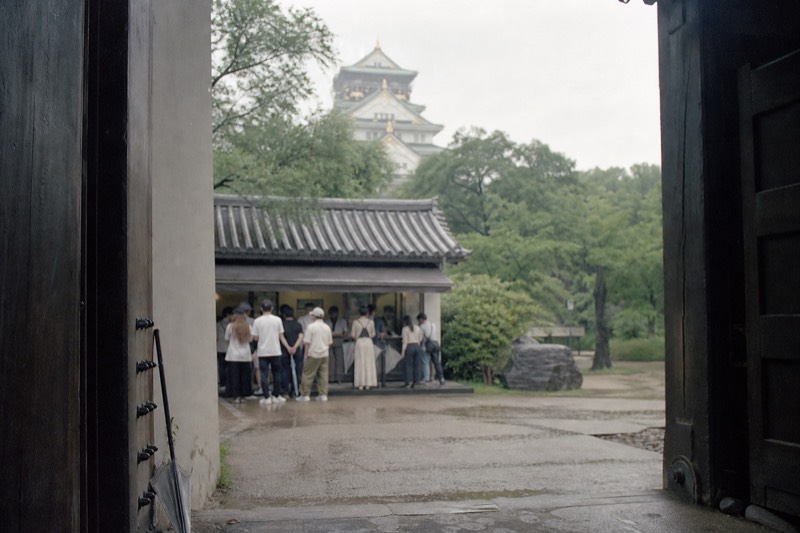
At The Gate
Adult, per person Group rate from 15 paying visitors Free categories at the window
¥1,200
The window price is identical to the online price, so nothing is lost by paying in person. Students and under-15s should buy here, because proof-of-age discounts are handled face to face and not through an e-ticket.
Students with ID and visitors aged under 15, since discounted and free rates are only applied at the window.
See what it covers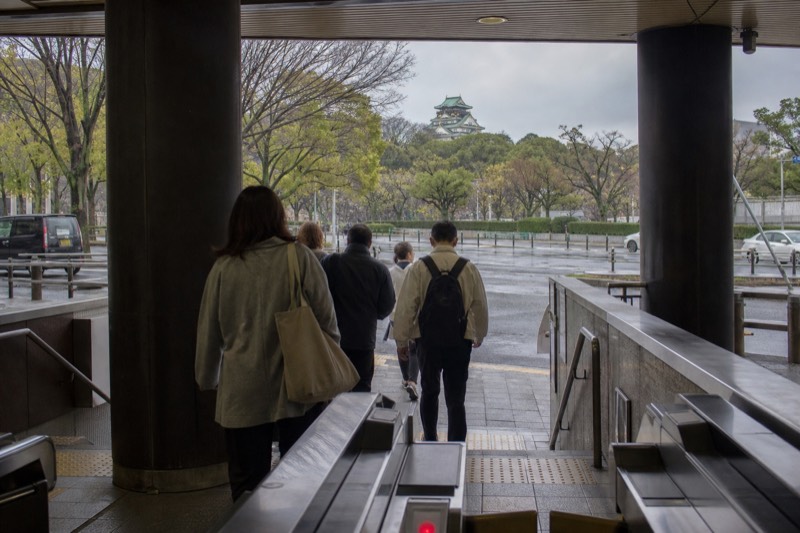
Osaka Amazing Pass
One-day pass On sale 25 March 2026 to 31 March 2027
¥3,500
The one-day pass costs 3,500 yen against the 1,200 yen castle ticket on its own, so it only pays off with two or more other paid sights. Add transport and the maths tips further in its favor.
Visitors packing several paid sights plus metro and bus rides into one day, who will clear the pass price easily.
See what it covers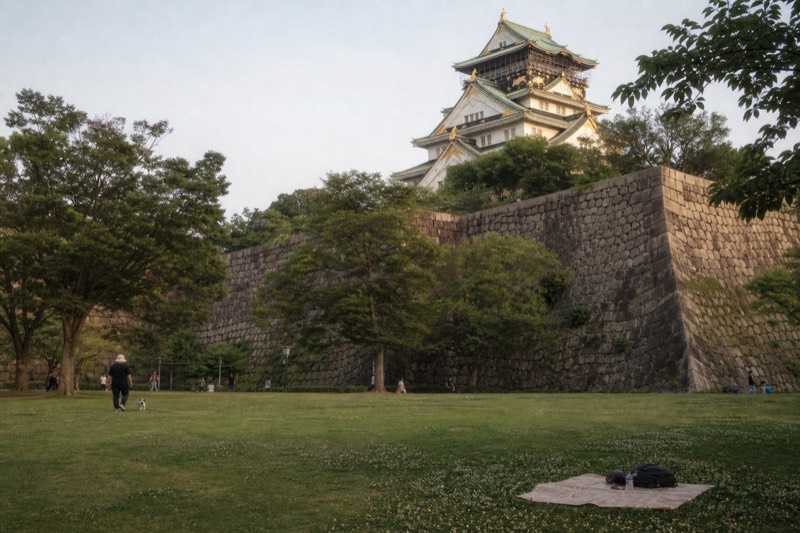
Free Park Areas
No admission charge
Free
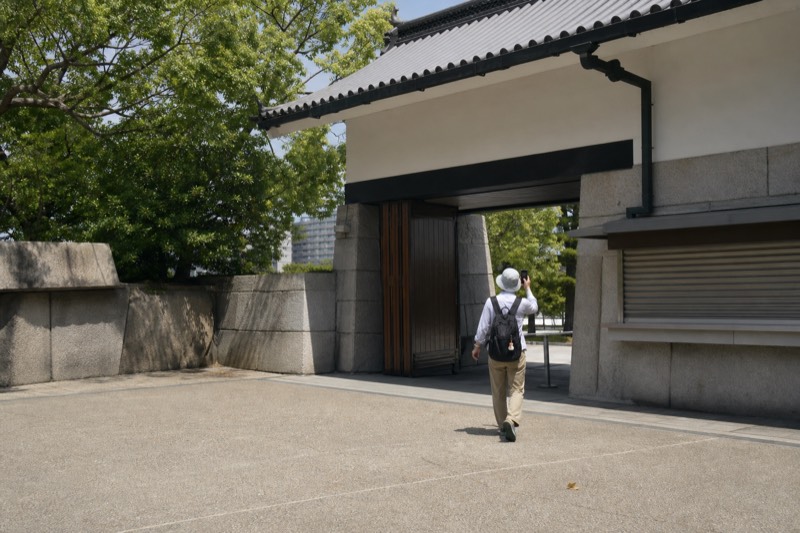
The park grounds, moats, stone ramparts and exterior views of the tower cost nothing at all, and they fill a half day on their own. The paid line falls only at the Main Tower entrance and the Toyotomi Stone Wall Museum.
Anyone who wants the castle views, moats and grounds without paying to go inside the buildings.
See what it coversThe building is a 15‑minute walk from Osaka Station, and the escalator ride up through the glass tube is a spectacle in itself. The deck is open‑air, so you feel the wind, and the view at sunset is the most popular time to visit. The basement floor recreates a historic Osaka street, and the building is included in the Osaka Amazing Pass, which also covers the castle and the stone wall museum.
If you want a closed‑in observation deck, the Abeno Harukas 300 at 300 metres is the tallest in Japan, and admission is also ¥2,000. The two offer different perspectives: Umeda looks north across the city, while Abeno looks south. Both are easy to reach from the castle, and the Main Tower's observation deck keeps its place as the classic lookout over Osaka Castle Park, so the three‑way choice between Umeda, Abeno and the castle's own 50‑metre deck is stable.
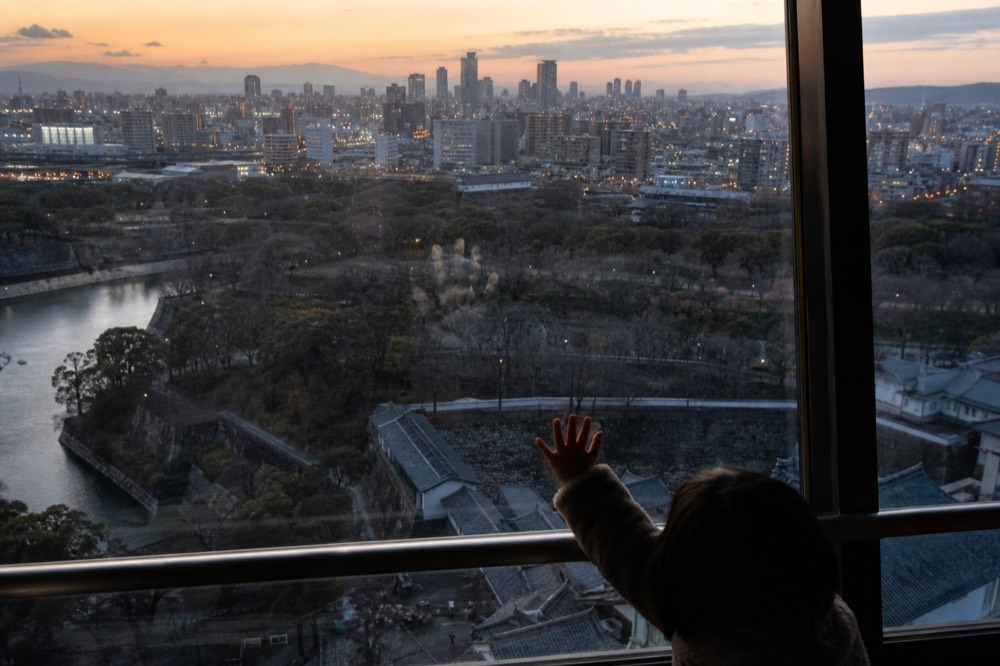
How To Fit All Three Into A Single Day
You can absolutely fit all three into a single day by beginning at the earliest-opening site, timing your visit to the midday attraction to avoid crowds, and reserving the final stop for the golden hour, when the light is best and the crowds are thinnest.
The Osaka Amazing Pass, at ¥3,500 for one day, bundles the castle, the Umeda Sky Building and unlimited subway and bus travel, which makes financial sense if you are doing all three in a single day. The pass is sold online only, with a sales window of 25 March 2026 to 31 March 2027, and it must be activated on a smartphone. The castle and the Stone Wall Museum count as one facility on the pass, and they must be used on the same day.
What To Know Before You Go
The Dotonbori canal is busiest after 18:00, and the Umeda Sky Building is quieter in the morning and early afternoon, though the view is better when the sun is low. If you are visiting in summer, the heat and humidity in Osaka are intense, and the castle's observation deck is open to the air, so carry water and plan an indoor break in the middle of the day. The JMA 1991‑to‑2020 climate normals put Osaka's August mean temperature at 29.0°C, and the rainy season normally runs through June into July.
Common Questions About Osaka's Top Attractions
What Are The Top 3 Things To Do In Osaka?
The three most popular experiences are Osaka Castle, the Dotonbori district, and the Umeda Sky Building observation deck. The castle covers history and city views, Dotonbori delivers the city's food and nightlife, and Umeda Sky Building gives the best panoramic vantage point.
Is Osaka Castle Worth Going Inside?
The tower houses a museum with eight floors of exhibits, and the new Toyotomi Stone Wall Museum, opened in 2025, lets you see the buried Toyotomi‑era stone walls. The observation deck on the top floor is about 50 metres up and offers a clear view of the park.
How Long Does It Take To See Dotonbori?
Most visitors spend one to two hours walking the canal and eating, or longer if you sit down for a meal. The river cruise adds about 20 minutes.
Can I Visit All Three In One Day?
Yes. Start at the castle in the morning, take the subway to Dotonbori for lunch, and finish at Umeda Sky Building for sunset. The travel between each stop is short, and the castle's ticket is valid for 30 days.
How Do I Book The Osaka Castle Entry Ticket?
The entry ticket is available on the operator's live listing, with a voucher valid for 30 days and no fixed time slot. The castle also sells tickets at the gate, but the queue can be capped before 17:30 on busy days.