Which Part Of Osaka Is Best To Stay In?
Where to sleep in Osaka if Osaka Castle is the anchor of your trip: the neighbourhoods ranked by rail access to the castle, airport train links and the accommodation tax bands that now apply.
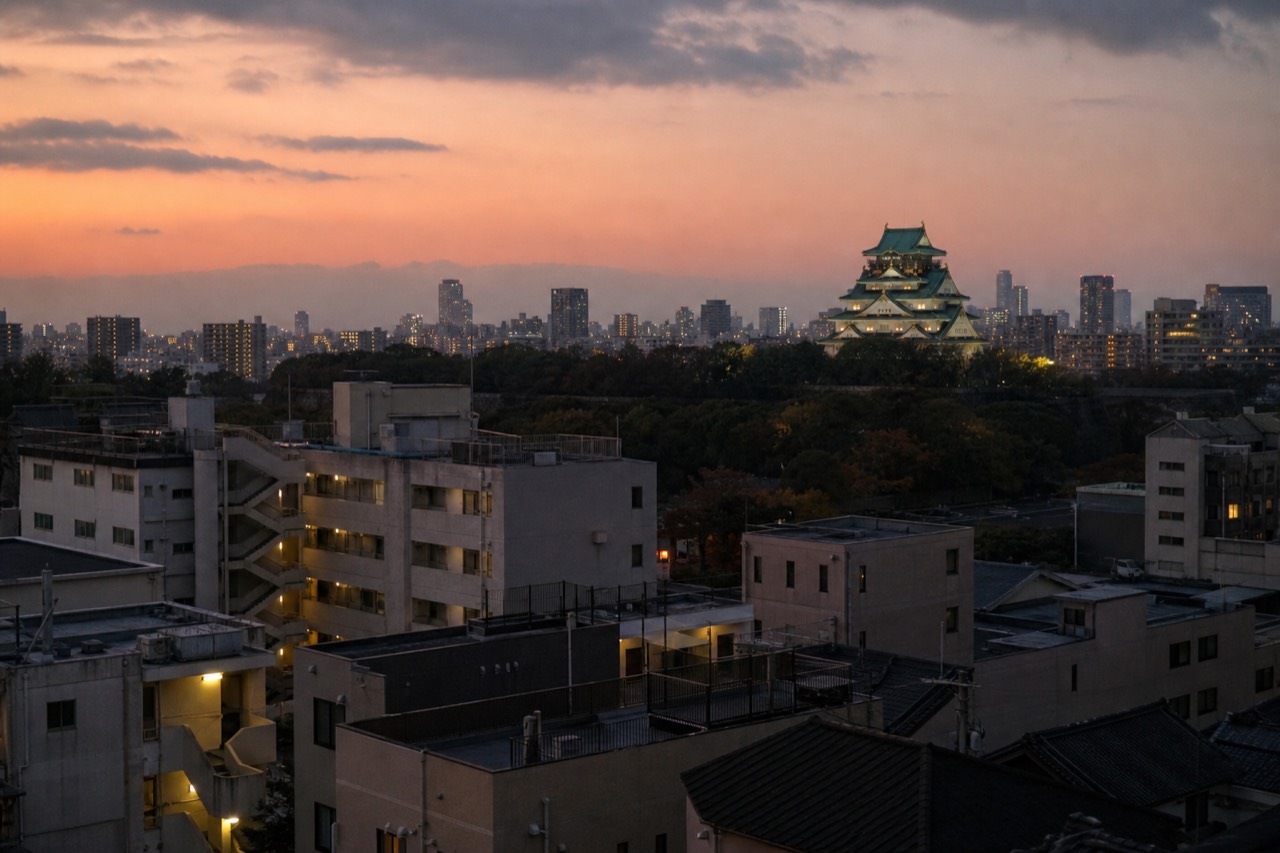
Which Part Of Osaka Is Best To Stay In?
For a castle-centred trip, Chuo and Tennoji are the two strongest bases: Chuo puts you within walking distance of the castle gates and the Osaka Museum of History, while Tennoji trades a slightly longer ride for cheaper rooms, direct access to both castle stations and a fast airport link. Namba wins for food and nightlife, Umeda for the Haruka airport express and shopping, and both sit on the Loop Line with direct trains toward the castle.
Osaka is a linear city, not a radial one. The JR Osaka Loop Line traces a rough ring around the centre, Osaka Castle sits on the eastern edge of that ring at two stations, Osakajokoen and Morinomiya, and the airport trains arrive at the opposite ends: the Haruka express from Kansai International into Tennoji and Osaka (Umeda) stations, and the monorail-plus-train route from Itami in the north. Choose a base on the ring and the castle becomes a short hop; choose one off the ring and every attraction costs a transfer.
The castle museum's own park map publishes walking times from every rail station to the Main Tower, and the honest headline is that they barely differ: Osakajokoen about 18 minutes, Morinomiya about 18 minutes, Tanimachi 4-chome about 18 minutes, Temmabashi about 19 minutes, Osakajo-kitazume about 21 minutes. The walk is across a park, over moats and through gates, not along a street, so there is no station that hands you the castle in five minutes. The real variable is not proximity to the castle but how pleasant and how direct your full day is.
That is the frame for this guide: each area judged by two fixed points, the castle and the airport train, with the 1 September 2025 accommodation tax change folded in, because it now applies to every hotel bill in the prefecture and a few of the neighbourhoods below have crossed a threshold since it changed.
Which Area Is Closest To Osaka Castle?
Chuo ward, the district the castle actually stands in, is the closest place to sleep. Its eastern edge, around Morinomiya and Tanimachi 4-chome, puts the Otemon, the flat wheelchair-accessible approach the castle itself endorses, roughly 18 minutes away on foot. Recent openings have added hotel stock with castle views, though the tax and nightly rates both climb with the view.
The castle's own FAQ names one endorsed route: the path from Tanimachi 4-chome through the Otemon is comparatively flat and usable by wheelchair. That detail matters to a hotel choice more than most guidebooks admit, because the alternative approaches from the north cross steeper stone bridge ramps at Gokurakubashi. If an accessible morning walk is a priority, a hotel near Tanimachi 4-chome beats one near the prettier northern gates.
The 2025 hotel cycle added real inventory here. NTT Urban Development opened Patina Osaka, 221 rooms with views of Osaka Castle, on 1 May 2025 in Chuo ward near Hoenzaka and the park edge. The Waldorf Astoria Osaka, 252 rooms, opened in April 2025 in the Umekita development next to Umeda. Both are upper-tier, and both push the Chuo and Umeda markets further from budget territory, which is one reason value seekers have drifted east and south.
For mid-range and budget beds near the castle, the practical picks are the business hotels clustered around Morinomiya Station on the Loop Line and the Chuo Line, and the slightly older stock around Temmabashi on the Keihan Main Line. Temmabashi is the sleepier base of the two: it sits on the Okawa river, the Keihan line runs straight down to Gion-Shijo in Kyoto for a day trip, and the walk to the castle passes the Osaka Museum of History, whose own admission is 600 yen for adults, closed Tuesdays, according to the museum's English site. Note that the old combined ticket linking that museum with the castle ended on 27 December 2024; the pairing is still geographically natural but now two separate admissions.
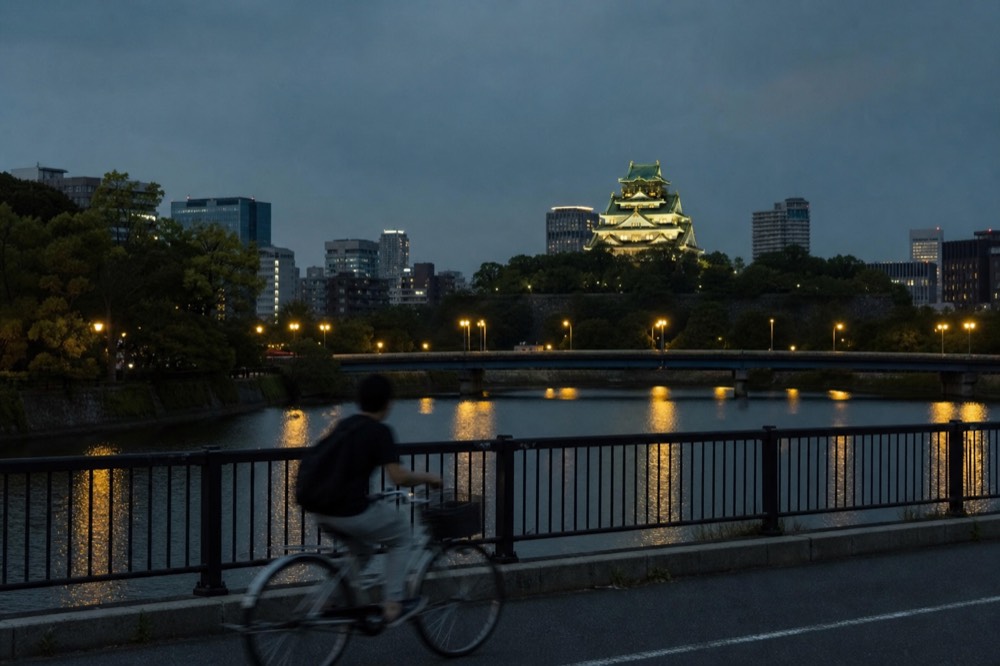
Is Tennoji Or Namba The Better Base?
Tennoji is the better value anchor for a castle trip: it sits directly on the Loop Line at two stations from the castle, hosts the Haruka airport express, and rooms run cheaper than the riverside core. Namba is the better base if nightlife, Dotonbori and the Shinsaibashi shopping corridor matter more than quiet mornings; its castle access is one direct ride but its late streets are the opposite of restful.
Tennoji's rail geography is quietly excellent. The JR Loop Line from Tennoji reaches Osakajokoen in a handful of stops, the Midosuji subway line runs straight to Umeda and Namba, and the Haruka limited express from Kansai International Airport stops at Tennoji before continuing to Osaka Station. A traveller who sleeps in Tennoji can land at KIX, ride one train to the hotel, drop bags and be at the castle gate without a transfer. Abeno Harukas, the department-store tower above the station, is the neighbourhood's own landmark, with the Harukas 300 observation deck at the top for a same-trip city view alongside the castle deck.
Namba is a five minute subway ride from everything but a 40 minute walk from almost nothing. It is the food and entertainment core, densest in Dotonbori, Shinsaibashi and Amerika-mura, and hotels there skew toward both ends: high-design towers near the river and boxy budget chains a block or two off the canal. The trade is noise and crowd energy, which the castle-focused morning then absorbs; a visitor who wants to be asleep by ten is happier in Tennoji, Temmabashi or a Chuo business hotel than above Dotonbori.
A useful middle option is Honmachi, the office district between Namba and the castle on the Chuo Line. Its hotels are weekday-oriented business stock that discounts heavily on weekends, the Chuo Line runs direct to Tanimachi 4-chome and Morinomiya in minutes, and the streets go silent after 20:00. For a castle-first itinerary on a mid-range budget it outperforms both famous cores, at the cost of having almost no restaurants of its own beyond basement canteens and a few izakaya streets.
Is Umeda Worth It For A Castle Trip?
Umeda is the strongest base for the airport and the weakest for the castle itself, and it balances out well for first-time visitors. The Haruka express and the Itami airport buses both land there, the station complex is Japan's largest retail concentration, and the Loop Line runs from Osaka Station to Osakajokoen, the stop for the castle park, but no Umeda hotel is walkable to a castle gate.
The Chuo Line subway is the better castle route from Umeda: direct trains run to Tanimachi 4-chome and Morinomiya without the Loop Line's curve around the north. From either, the official 18 minute park walk applies. In practice a Umeda base means planning the castle as one anchor stop of a day that continues elsewhere, rather than the drop-in convenience a Chuo or Tennoji base allows.
The April 2025 opening of the Waldorf Astoria in the Umekita, Grand Green Osaka development reshaped the top of this market, and the surrounding Umekita park and plaza have made the western station edge more pleasant than it was. Atrium retail, the Umeda Sky Building's Kuchu Teien observatory and direct rail to Kyoto at Osaka Station round out a base that genuinely works if your trip is city-wide rather than castle-shaped.
One caution for budget planners: Umeda's rates run highest in the city centre, and the 2025 tax change now touches more of the market than before. Osaka Prefecture revised its accommodation tax effective 1 September 2025, per the prefecture's own tax page: no tax under 5,000 yen per person per night, 200 yen from 5,000 to 14,999 yen, 400 yen from 15,000 to 19,999 yen, and 500 yen at 20,000 yen and over. The exemption threshold dropped from 7,000 yen to 5,000 yen, which pulls many business and capsule hotels into the taxed range for the first time. It is a small number per night, but it now appears on bills where it previously did not.
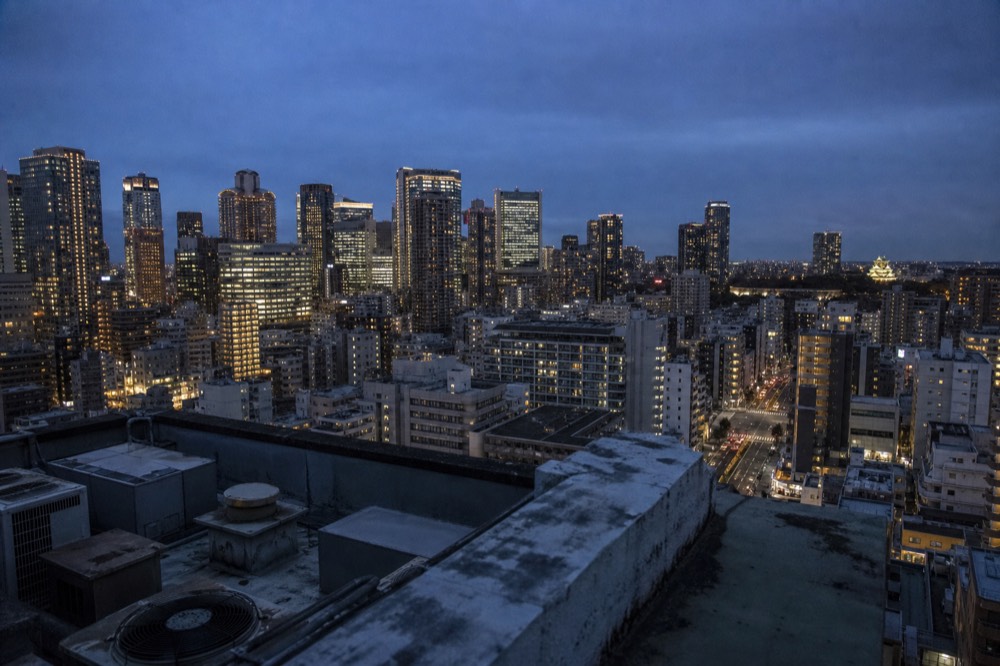
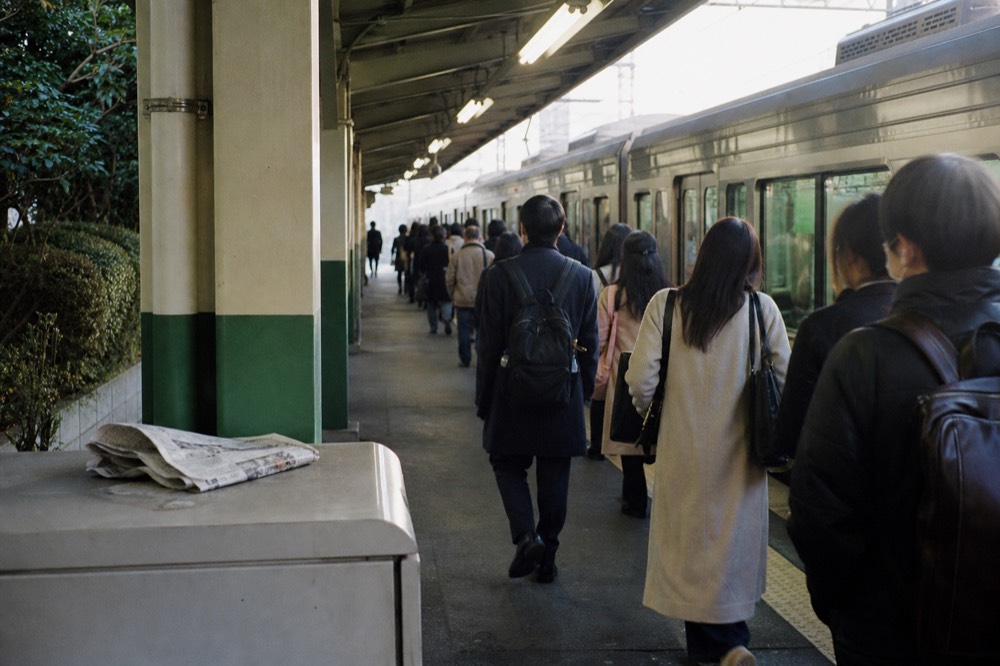
Which Areas Should A Castle Visitor Avoid Sleeping In?
Minpaku districts are contracting and Nishinari is the one area whose reputation, transport and price all pull in different directions. Osaka City stopped accepting new applications for its Special Zone private lodging scheme on 29 May 2026, so apartment-style stays now concentrate in existing licensed stock. Nishinari's cheap rooms sit far from the castle, needing transfers on every trip east.
Nishinari, around Shin-Imamiya and the Airin district, has the cheapest beds in the city and direct Loop Line and Nankai access, but recent guest reviews describe a gritty atmosphere and visible homelessness, with repeated caution for solo female travellers at night, alongside praise for the price and the station links. The castle is reachable, but it means the Loop Line from Shin-Imamiya round to Osakajokoen, a long ride across the whole ring. If the budget forces the choice, it works; if it does not, Tennoji two stations north buys a safer, better-connected night for a modest premium.
The rental-apartment option itself narrowed. The city's Special Zone minpaku certification window closed to new applications on 29 May 2026, with change applications for existing facilities ending the same day, per Osaka City's own announcement. The licensed apartment-hotel chains in Namba and Chuo, which operate under hotel law rather than the minpaku scheme, are unaffected and remain the family-friendly pick, with kitchenettes and multiple beds that suit a castle-plus-city week.
from $7.69 The from-price you see online and the price at the castle window are the same adult admission, so booking ahead costs nothing extra.
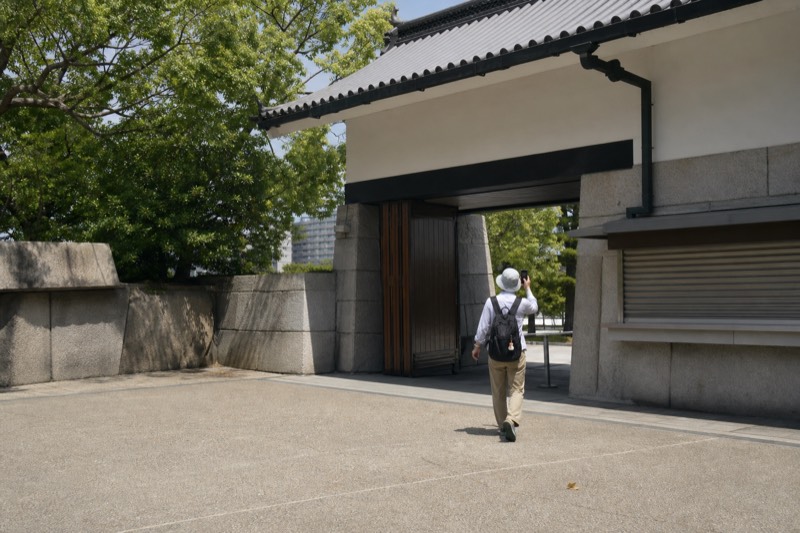
Your ticket into the tower
Official E-Ticket
- Osaka Castle Main Tower entry
- Osaka Castle Toyotomi Stone Wall Museum
- QR code entry
- Valid 30 days
- No fixed time slot
- No viewing time limit
Buying the official e-ticket ahead saves you the ticket-purchase line, not money, since the online price matches the window. You exchange nothing at the gate, you simply show the voucher and go in.
The real flexibility here is the voucher's 30-day validity, with no fixed time slot and no set viewing time limit.
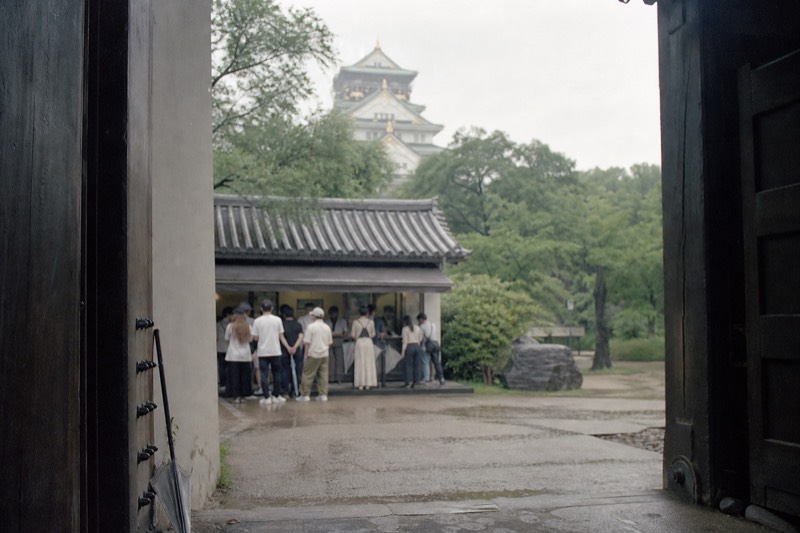
At The Gate
Adult, per person Group rate from 15 paying visitors Free categories at the window
¥1,200
The window price is identical to the online price, so nothing is lost by paying in person. Students and under-15s should buy here, because proof-of-age discounts are handled face to face and not through an e-ticket.
Students with ID and visitors aged under 15, since discounted and free rates are only applied at the window.
See what it covers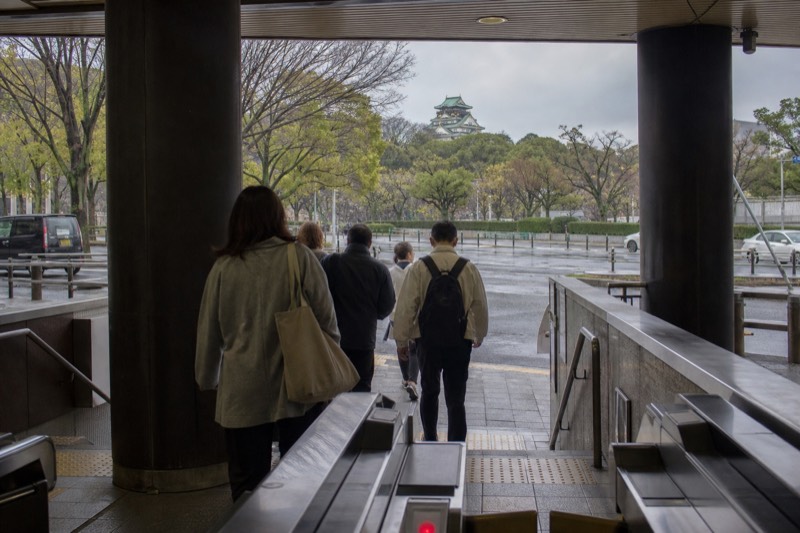
Osaka Amazing Pass
One-day pass On sale 25 March 2026 to 31 March 2027
¥3,500
The one-day pass costs 3,500 yen against the 1,200 yen castle ticket on its own, so it only pays off with two or more other paid sights. Add transport and the maths tips further in its favor.
Visitors packing several paid sights plus metro and bus rides into one day, who will clear the pass price easily.
See what it covers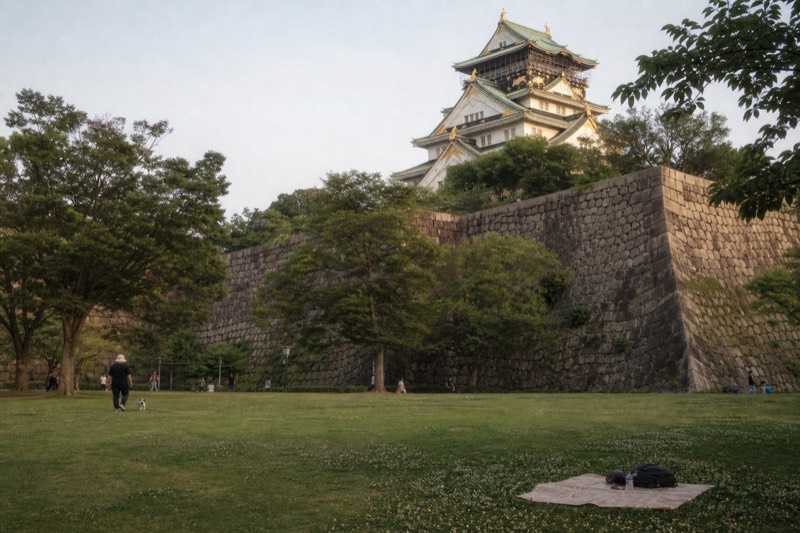
Free Park Areas
No admission charge
Free
The park grounds, moats, stone ramparts and exterior views of the tower cost nothing at all, and they fill a half day on their own. The paid line falls only at the Main Tower entrance and the Toyotomi Stone Wall Museum.
Anyone who wants the castle views, moats and grounds without paying to go inside the buildings.
See what it coversThe last caution is Shinsekai as a place to sleep rather than to eat. The kushikatsu strip and the Tsutenkaku tower make a fine evening, and the budget hotels behind it are cheap, but the district sits between Nishinari and Tennoji and shares some of the former's night-time character. Day-tripping into it is easy from anywhere; basing there is a choice worth making deliberately, not by default.
How Many Days Should Each Base Serve?
Two full days is the working minimum for a first Osaka visit from any of these bases: one day anchored on the castle, the river and the Osaka Museum of History, one on Namba, Dotonbori and either Umeda or Tennoji. Three days adds a Kyoto or Himeji excursion from whichever base sits on the right line; four or more justifies a split stay, castle-side first, then the nightlife core.
The castle day has a fixed shape. The tower opens 9:00 and the queue is at its shortest then; the museum inside says most visitors spend 50 to 60 minutes in the tower, or about 1.5 hours at a proper pace. Add the Toyotomi Stone Wall Museum, on the same ticket, and the Nishinomaru Garden across the moat, a separate 300 yen admission since 1 April 2026, and the morning fills naturally. Afternoon options from the castle gate: the Okawa river walk to Temmabashi, the Osaka Museum of History, or the Keihan line down toward Kyobashi.
| Area | Castle access | Airport train | Character | Best for |
|---|---|---|---|---|
| Chuo (Morinomiya / Tanimachi) | Walk, about 18 min | Tennoji or Umeda transfer | Quiet, business, castle views | Castle-first itineraries, accessible walks |
| Tennoji | Loop Line, short ride | Haruka direct stop | Bustling, cheaper, big landmarks | Value, families, KIX arrivals |
| Namba / Shinsaibashi | Subway, one ride | Nankai from KIX, direct | Loud, food, nightlife | Evening-weighted trips |
| Umeda / Umekita | Subway direct to castle stations | Haruka terminus, Itami buses | Retail, hotels, transport hub | City-wide and Kyoto day trips |
| Temmabashi | Walk, about 19 min | Transfer at Umeda or Namba | Riverside, calm, Keihan line | Keihan day trips to Kyoto |
A split stay deserves a note on luggage, because the castle stations are the wrong place for suitcases: there are no coin lockers inside the tower, and bag check inside costs 100 yen per item with limited space. The castle's own guidance asks visitors to use station lockers or their hotel. On a moving day, drop bags at the hotel or a station locker, then walk the park light.
How Much Does The Accommodation Tax Change The Bill?
Per night, the 1 September 2025 revision costs 200 to 500 yen per person depending on room rate, and it newly applies to rooms between 5,000 and 7,000 yen that were previously exempt. On a typical three-night mid-range stay that is 600 to 1,500 yen total, about the price of one castle admission, so it shapes budgeting at the margin rather than the choice of area itself.
The prefecture publishes the bands plainly: no tax under 5,000 yen per person per night; 200 yen from 5,000 to 14,999 yen; 400 yen from 15,000 to 19,999 yen; 500 yen from 20,000 yen. Because it is levied per person, a family in an upper-band room pays the band rate for each traveller, not once for the room, which is where it stops being invisible on longer trips. Budget chains in Tennoji and Nishinari sit mostly in the 200 yen band; the new castle-view and Umekita properties sit in the 400 and 500 yen bands.
Market context cuts the other way. A national survey reported April 2026 occupancy and average-rate figures showing Osaka hotel prices and occupancy softening after Expo 2025 ended, with new supply cited, and 2025 full-year figures had put Osaka prefecture at 78.8 percent occupancy, the highest among Japan's major destinations, per Japan Tourism Agency data reported in 2026. In plain terms: the tax went up while the room market loosened, so a traveller booking in late 2026 faces bands, not a price shock.
Once the base is chosen, the castle itself is the cheapest headline item in the budget. Adult admission is 1,200 yen, about $7.69 on the listing this site covers, students with proof pay 600 yen, and junior high age and under enter free, per the castle's official guide page. A family of four with two teenagers pays less for the whole tower than one night of the 400-yen tax band in a good room.
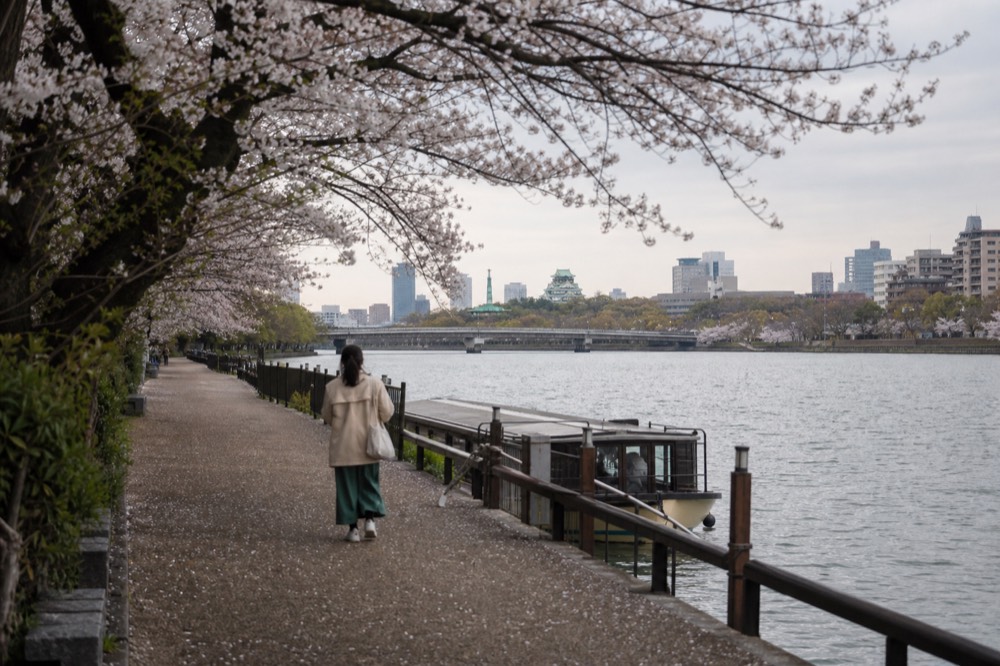
Planning the castle morning is where the neighbourhood choice pays off. The site's own pages carry the practical details: opening hours, the last-entry warning, and how the two ticket products differ. For arrival timing and rail routing, see the guide to castle opening hours, and for station-by-station detail, how to get to the castle. Visitors weighing the castle against Japan's other famous keep can start from Osaka Castle versus Himeji, which carries the 2026 Himeji price change that reshapes the comparison.
The walking-tour alternative answers a different question, and the distinction matters on a hotel-timed itinerary: a live guide for the castle grounds, 1.5 to 3 hours, English-speaking, from $28.85 on the listing, whose base price does not include tower admission. A reader who takes the walk still needs an entry ticket; the two stack rather than substitute.
The castle is a fixed point, the airport train is the other fixed point, and everything in this article is arrangement between them. Pick the neighbourhood whose trade you can live with at 22:00 and at 08:30, and the castle will be waiting, roughly eighteen minutes from wherever the train drops you. For the fuller decision frame, Osaka Castle Tickets carries the ticket and timing details that turn a base into an itinerary.
The short answers: Chuo for the walk, Tennoji for value and the airport train, Namba for nightlife, Umeda for city-wide rail, and none of them more than one short ride plus the castle's own 18 to 21 minute park walk from the gate. The accommodation tax now runs 200 to 500 yen per person per night depending on the room, so the band, not the neighbourhood, is the only cost difference between these areas.
Common Questions About Staying Near Osaka Castle
Which Part Of Osaka Is Best To Stay In?
Chuo ward if the castle is the anchor, for an 18-minute walk to the gates; Tennoji for the best value and a direct Haruka stop from Kansai International; Namba for food and nightlife with one subway ride to the castle; Umeda for airport convenience and city-wide rail.
Can You Walk To Osaka Castle From A Hotel?
Only from Chuo ward, roughly: hotels around Morinomiya, Tanimachi 4-chome and Temmabashi sit within the castle museum's own 18 to 21 minute walking zone. Every other area relies on a short rail ride first.
Which Area Is Closest To Kansai International Airport?
By train, Tennoji and Umeda, both Haruka limited-express stops, with the Nankai line serving Namba from the airport too. Chuo ward requires a transfer at one of those hubs.
How Much Is The Osaka Accommodation Tax?
Per person per night, effective 1 September 2025: nothing under 5,000 yen, 200 yen from 5,000 to 14,999 yen, 400 yen from 15,000 to 19,999 yen and 500 yen at 20,000 yen and above, with the exemption threshold lowered from 7,000 yen.
Are There Lockers At Osaka Castle For Luggage?
No coin lockers inside the tower; the bag check inside costs 100 yen per item with limited space. The castle's own guidance is to use station lockers or leave bags at your hotel before walking the park.
Is Namba Or Tennoji Better For A First Visit?
Namba for evenings, food and shopping energy; Tennoji for cheaper rooms, calmer nights and direct airport-plus-castle rail. Both reach the castle in well under 20 minutes of travel once you add the park walk.